When someone needs medical transportation, the first instinct is often to call an ambulance. Many people assume ambulances are the safest—or only—option for medical travel. However, not every medical situation is an emergency. In fact, using an ambulance when it isn’t medically necessary can be costly, stressful, and unnecessary.
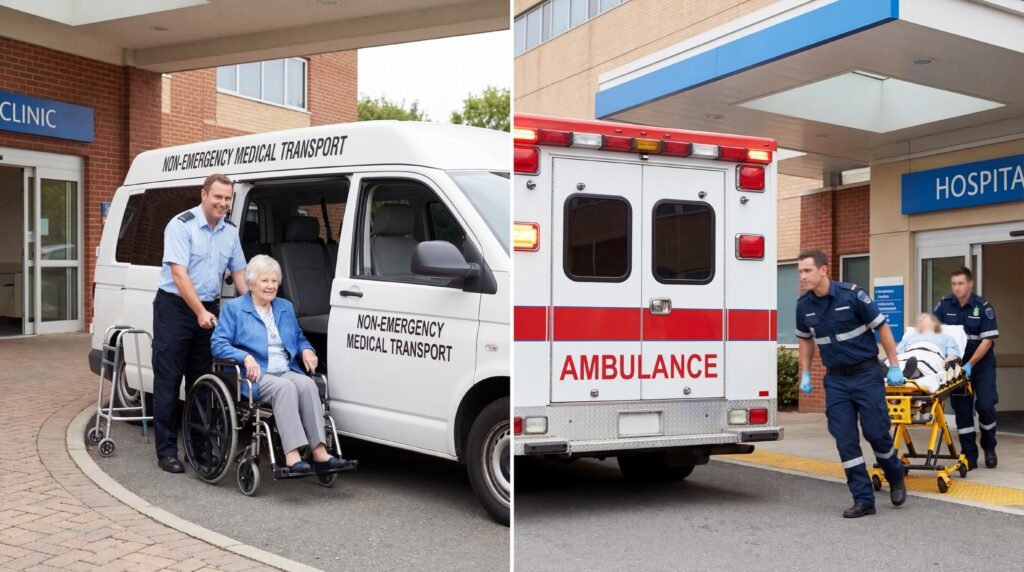
Understanding the difference between Non-Emergency Medical Transportation (NEMT) and ambulance transportation helps patients, families, and caregivers choose the right service for their situation. Bridgewell Services provides non-emergency medical transportation in Issaquah, Washington, offering a safe, supportive alternative when emergency care is not required.
What Is Non-Emergency Medical Transportation (NEMT)?
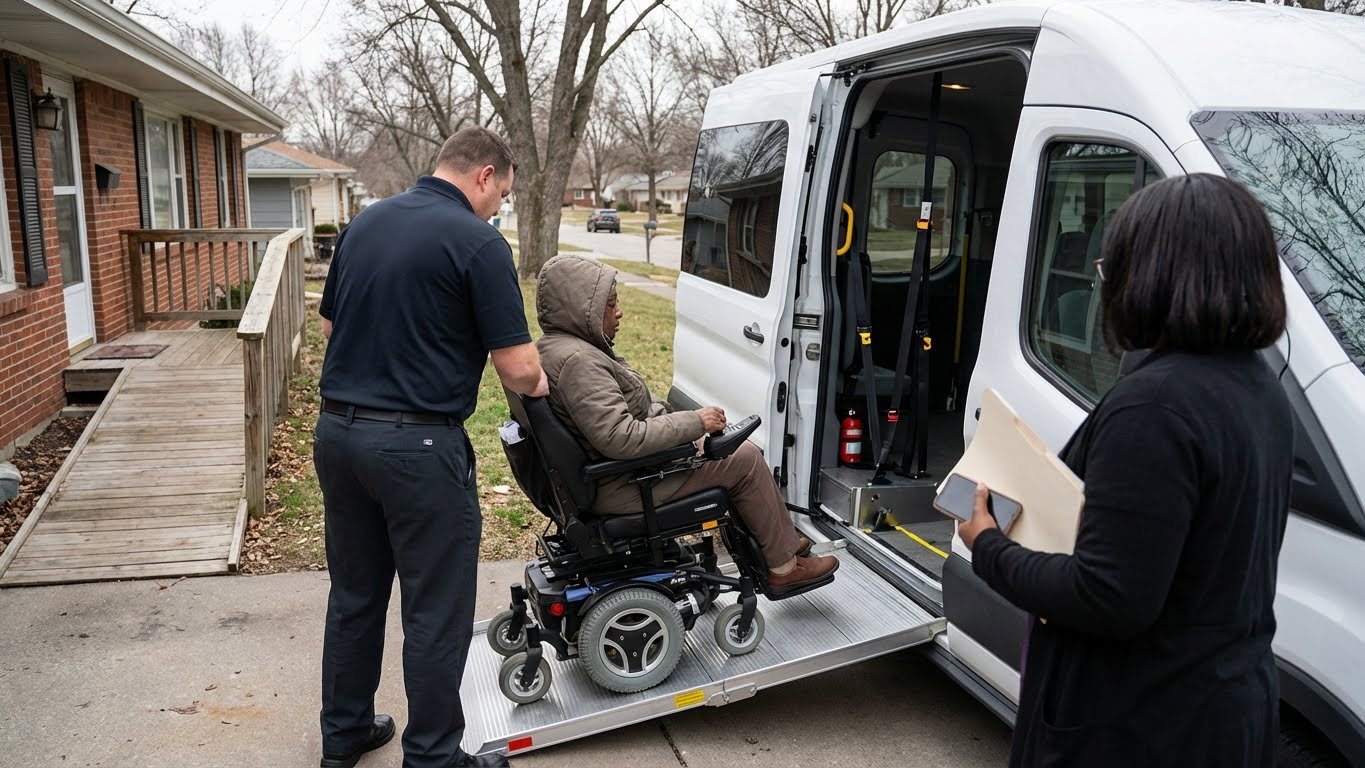
Non-Emergency Medical Transportation (NEMT) is scheduled transportation for individuals who are medically stable but unable to travel independently. NEMT does not provide emergency medical treatment during the ride. Instead, it focuses on safety, accessibility, comfort, and reliability.
NEMT is commonly used for:
- Doctor and specialist appointments
- Dialysis treatments
- Physical therapy and rehabilitation visits
- Outpatient procedures
- Hospital discharge transportation
- Transfers between care facilities
NEMT ensures patients can access healthcare without relying on emergency services.
What Is Ambulance Transportation?
Ambulance transportation is designed for medical emergencies that require immediate medical care during transport. Ambulances are staffed by emergency medical personnel and equipped with advanced life-saving equipment.
Ambulance services are necessary when:
- A patient is experiencing chest pain or difficulty breathing
- There is uncontrolled bleeding
- A patient is unconscious or unresponsive
- Medical monitoring or intervention is required during transit
Ambulances prioritize rapid response and emergency treatment—not comfort or routine travel.
Key Differences Between NEMT and Ambulance Services
Although both services involve medical transportation, their purposes are very different.
Level of Medical Care
- Ambulances provide emergency medical care during transport.
- NEMT provides transportation support only for stable patients.
Urgency
- Ambulances respond to urgent, life-threatening situations.
- NEMT is scheduled in advance for planned medical visits.
Cost
- Ambulance transport is significantly more expensive due to emergency staffing and equipment.
- NEMT is a more affordable option for non-emergency needs.
Comfort and Experience
- Ambulances focus on speed and medical readiness.
- NEMT focuses on comfort, patience, and supportive assistance.
When NEMT Is the Right Choice
NEMT is appropriate when a patient:
- Is medically stable
- Does not require medical treatment during transport
- Needs assistance due to mobility, fatigue, or safety concerns
- Has a scheduled medical appointment
Bridgewell Services provides ambulatory, wheelchair, and stretcher transportation to match each client’s physical needs—without the stress of emergency transport.
When an Ambulance Is Necessary
An ambulance should always be used when:
- A medical emergency is occurring
- Symptoms are severe or worsening rapidly
- A healthcare provider recommends emergency transport
Choosing an ambulance in these cases can be lifesaving. However, using an ambulance for non-emergency travel often leads to unnecessary expense and strain on emergency services.
Common Situations Where NEMT Is Often Misunderstood
Many people choose ambulance transportation out of uncertainty rather than necessity. Common non-emergency situations include:
- Transportation after outpatient procedures
- Travel to follow-up appointments
- Mobility-related challenges without medical instability
In these cases, NEMT is often the safer, calmer, and more appropriate option.
Why Choosing the Right Transportation Matters
Selecting the correct transportation type affects:
- Patient comfort and safety
- Healthcare costs
- Appointment attendance
- Emotional stress for patients and families
Using NEMT when appropriate helps ensure emergency resources remain available for true emergencies while providing patients with a supportive travel experience.
How Bridgewell Services Supports Non-Emergency Medical Transportation
Bridgewell Services specializes in supportive NEMT, designed for clients who need more than just a ride. Every trip is handled with patience, professionalism, and respect.
Bridgewell Services focuses on:
- Reliable, scheduled transportation
- Calm, respectful assistance
- Support for seniors and mobility-limited clients
- Clear communication with families and caregivers
Transportation is treated as part of the care journey—not just a transfer between locations.
How to Decide Which Service You Need
If you’re unsure which transportation option is right, consider:
- Is the situation life-threatening?
- Does the patient need medical care during transport?
- Is the trip planned or urgent?
When in doubt during a true emergency, emergency services should always be contacted. For planned, non-urgent medical travel, NEMT is usually the best option.
Conclusion
Understanding the difference between non-emergency medical transportation and ambulance services empowers patients and families to make informed decisions. While ambulances are essential for emergencies, NEMT provides a safer, more appropriate solution for routine medical travel.
Bridgewell Services offers non-emergency medical transportation designed around safety, dignity, and supportive care. By choosing the right type of transportation, patients can focus on their health—knowing their journey will be handled with care and reliability.