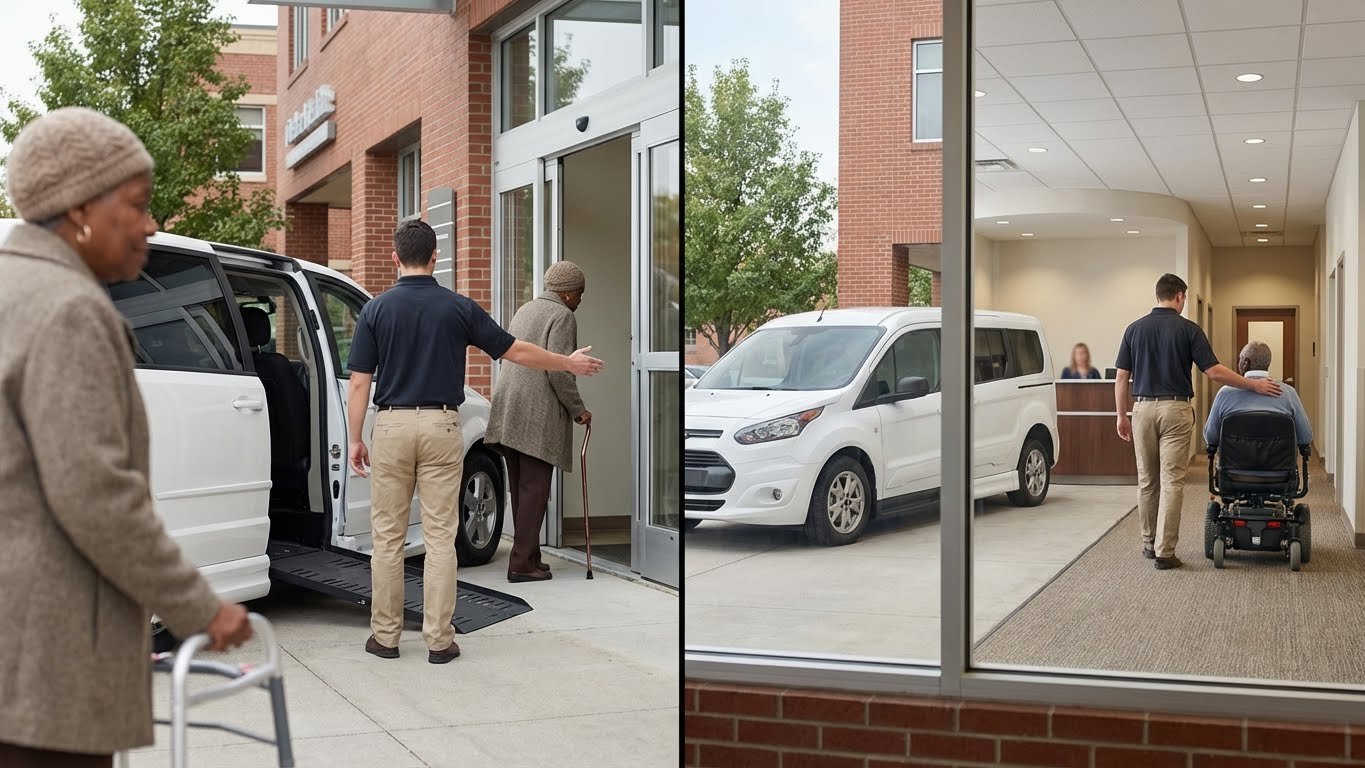

Not every patient who needs medical transportation can walk or sit independently. Many individuals are non-ambulatory, meaning they are unable to walk or transfer safely without assistance. For these patients, choosing the right transportation service is critical to safety, comfort, and dignity.
Bridgewell Services provides professional non-ambulatory transportation in Issaquah, Washington, designed to support patients who need more than standard medical rides. Understanding what non-ambulatory transportation includes—and when it’s required—helps families make informed, confident decisions during medical care planning.
What Does “Non-Ambulatory” Mean?
A non-ambulatory patient is someone who cannot walk independently or safely, even for short distances. This may be temporary or long-term, depending on medical condition, injury, or recovery status.
Patients may be considered non-ambulatory if they:
- Use a wheelchair full-time
- Cannot stand or transfer safely
- Experience severe weakness or balance issues
- Are recovering from surgery or illness
- Have neurological or musculoskeletal conditions
Non-ambulatory status does not always mean a patient needs emergency care—but it does mean they require specialized transportation support.
What Is Non-Ambulatory Medical Transportation?
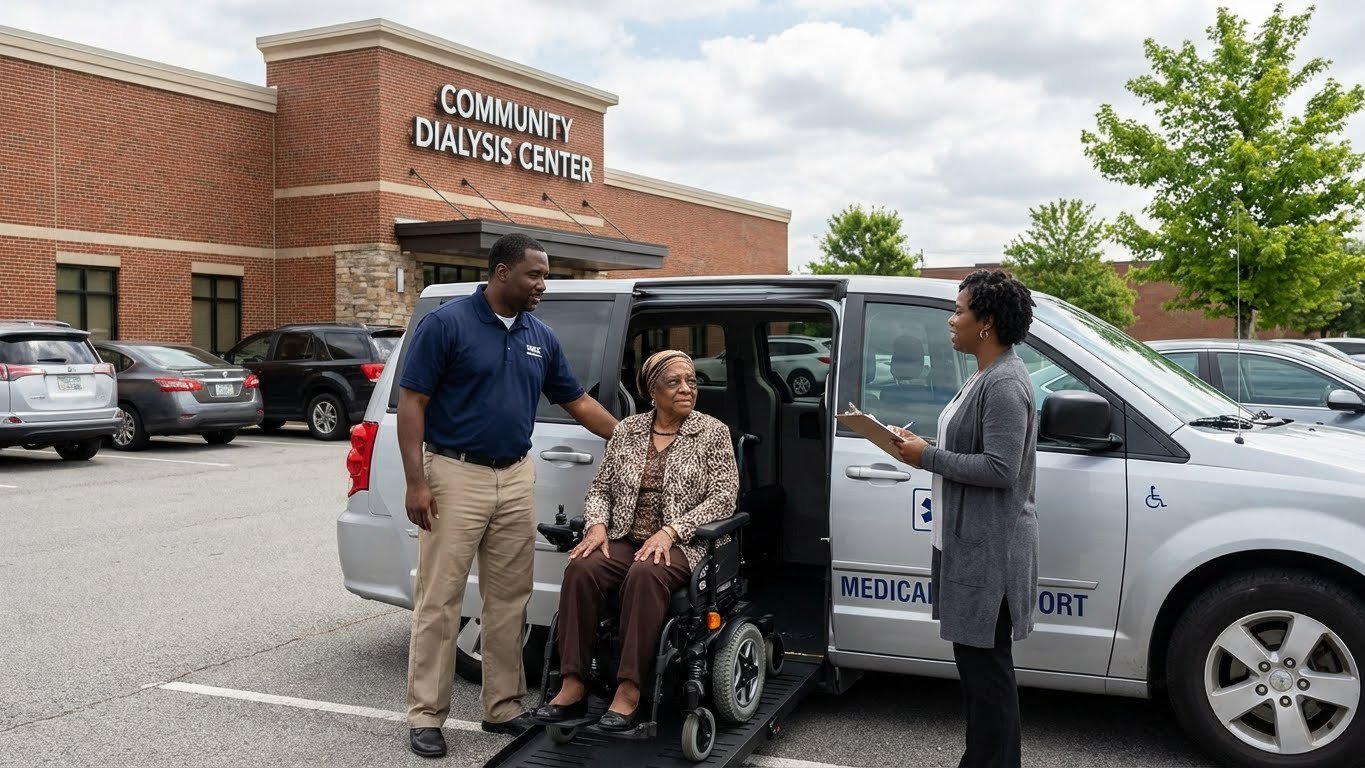
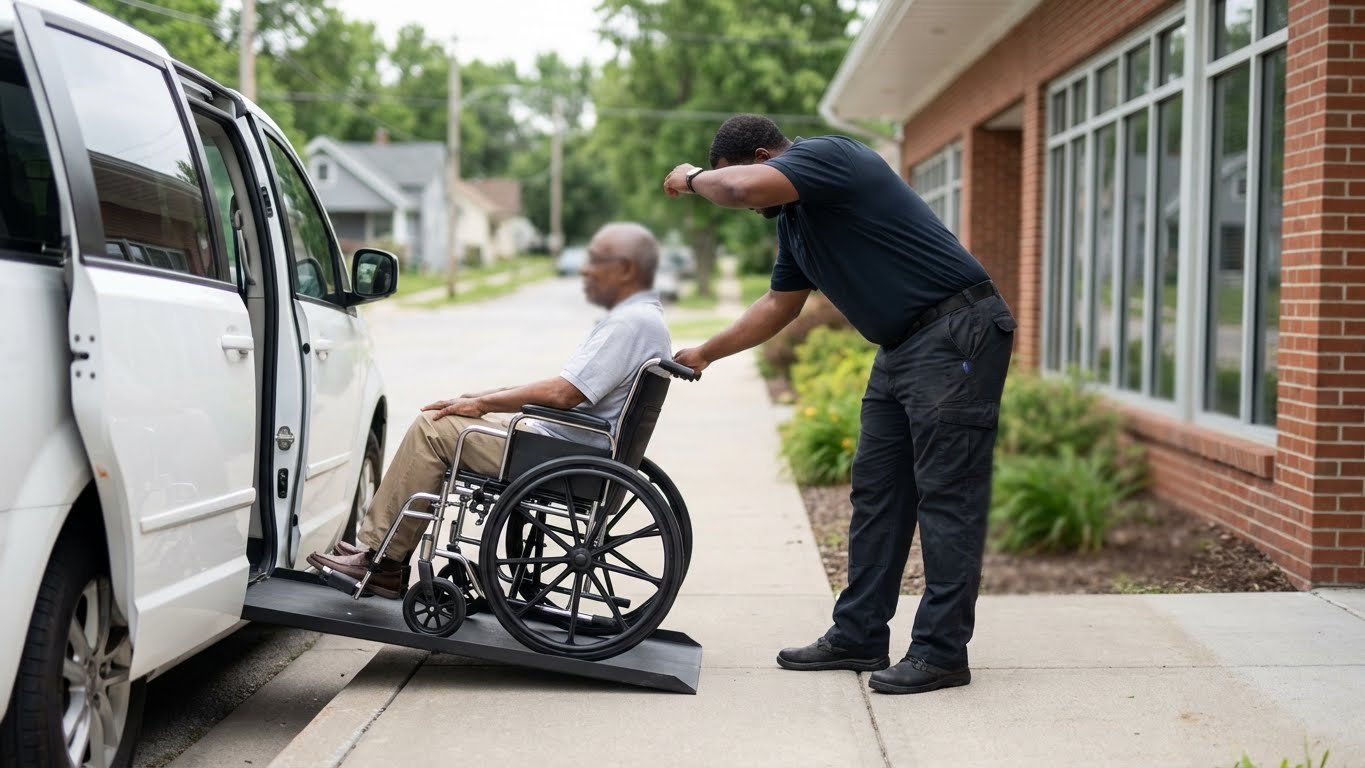
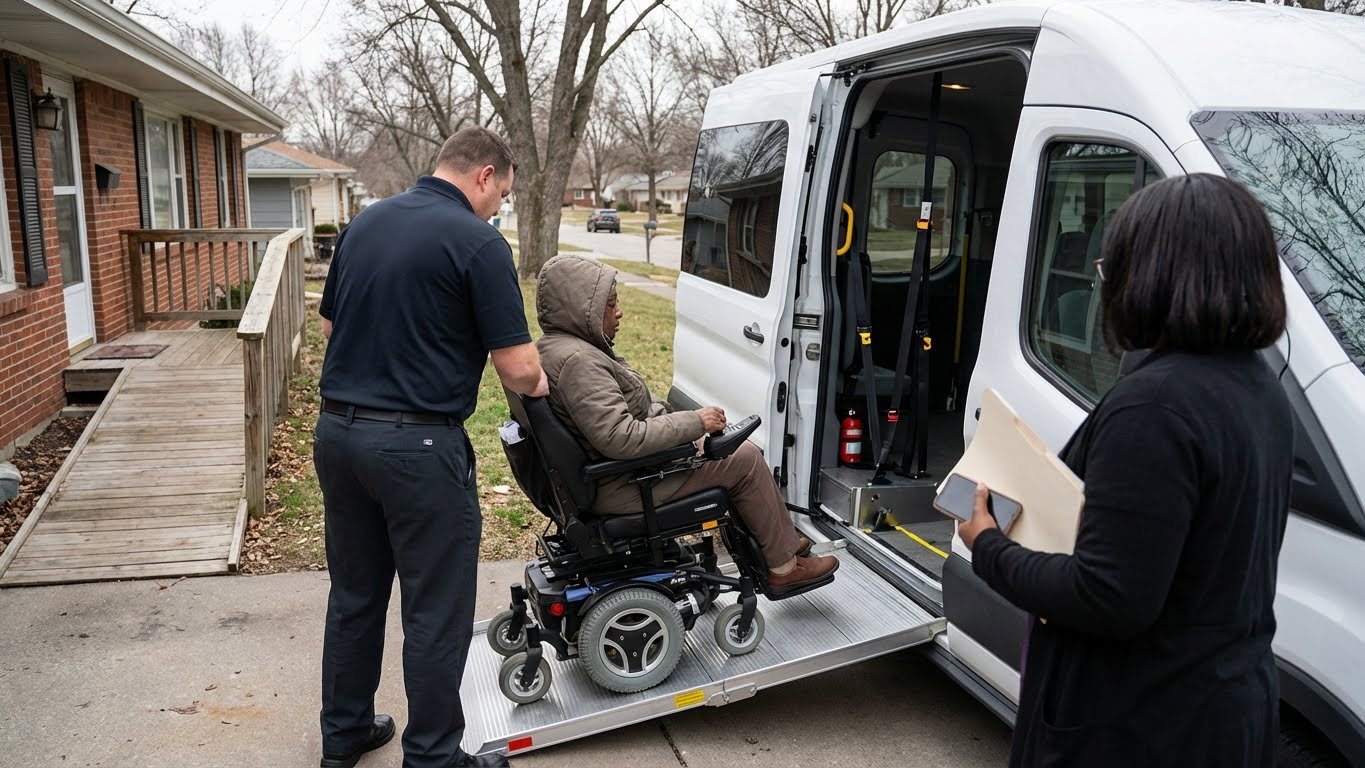
Non-ambulatory medical transportation is a form of non-emergency medical transportation (NEMT) designed for patients who cannot walk or transfer independently. Vehicles are equipped to safely accommodate wheelchairs or stretchers, and drivers are trained to assist patients with care and patience.
This type of transportation focuses on:
- Safe patient handling
- Proper securement during travel
- Minimizing physical strain
- Preserving comfort and dignity
Bridgewell Services ensures non-ambulatory patients receive transportation that supports their medical and mobility needs.
Wheelchair vs Stretcher Transportation for Non-Ambulatory Patients
Not all non-ambulatory patients require stretcher transport. The appropriate option depends on the patient’s ability to sit upright safely.
Wheelchair Transportation
Wheelchair transportation is suitable when a patient:
- Can remain seated safely
- Has stable posture and balance
- Does not require a reclined position
Stretcher Transportation
Stretcher transportation is required when a patient:
- Cannot sit upright
- Experiences significant pain or weakness
- Must remain lying down during transport
Bridgewell Services helps families determine the safest option based on patient condition.
Why Non-Ambulatory Transportation Requires Professional Support
Attempting to transport non-ambulatory patients using personal vehicles or rideshare services can be unsafe. Improper lifting, lack of securement, or rushed assistance increases the risk of injury for both patients and caregivers.
Professional non-ambulatory transportation provides:
- Vehicles designed for medical transport
- Proper wheelchair or stretcher securement
- Drivers trained in safe assistance techniques
- Reliable scheduling for medical appointments
This level of care protects patient safety and reduces caregiver stress.
Who Commonly Needs Non-Ambulatory Transportation?
Non-ambulatory transportation is frequently used by:
- Seniors with advanced mobility limitations
- Patients recovering from surgery or hospitalization
- Individuals with neurological conditions
- Long-term care residents
- Home care patients with limited strength
For these individuals, professional transportation supports consistent access to care.
The Importance of Dignity and Comfort
Non-ambulatory patients may feel vulnerable relying on others for mobility. Transportation that feels rushed or impersonal can increase anxiety and discomfort.
Bridgewell Services prioritizes:
- Respectful communication
- Allowing patients to move at their own pace
- Calm, supportive assistance
- Preserving dignity throughout the journey
Compassionate service helps patients feel safe and valued.
How Non-Ambulatory Transportation Supports Better Healthcare
Transportation barriers are a leading cause of missed appointments. For non-ambulatory patients, these barriers are even more significant.
Reliable non-ambulatory transportation helps:
- Ensure appointment attendance
- Support ongoing treatment plans
- Reduce emergency medical events
- Improve long-term health outcomes
Professional transportation plays a vital role in care continuity.
How Bridgewell Services Supports Non-Ambulatory Patients
Bridgewell Services approaches non-ambulatory transportation with professionalism and compassion. Every ride is tailored to the patient’s mobility level and comfort needs.
Clients benefit from:
- Wheelchair and stretcher-accessible vehicles
- Trained, patient-focused drivers
- Door-to-door assistance when needed
- Reliable, scheduled transportation
Transportation is treated as an extension of care—not just logistics.
How to Prepare for Non-Ambulatory Transportation
Preparation ensures a smooth experience. Families should:
- Share mobility limitations clearly
- Confirm wheelchair or stretcher needs
- Coordinate appointment timing
- Ensure destination readiness
Clear communication allows transportation providers to plan appropriately.
Conclusion
Non-ambulatory transportation is essential for patients who cannot walk or transfer safely. Choosing the right transportation option protects patient safety, comfort, and dignity while reducing stress for families and caregivers.
Bridgewell Services provides non-ambulatory medical transportation designed around compassionate support and reliable service. By prioritizing patient needs and respectful care, Bridgewell helps non-ambulatory patients travel confidently—so they can focus on healing, not how they’ll get there.