When booking wheelchair transportation, many patients and families focus on accessibility—ramps, lifts, and securement. However, the level of assistance provided before and after the ride is just as important. One of the most common questions clients ask is whether they need door-to-door or curb-to-curb wheelchair transportation.
Understanding the difference between these two service levels helps ensure safety, comfort, and peace of mind—especially for seniors and individuals with limited mobility. Bridgewell Services provides both options in Issaquah, Washington, with a strong focus on supportive, compassionate care tailored to each client’s needs.
What Is Curb-to-Curb Wheelchair Transportation?
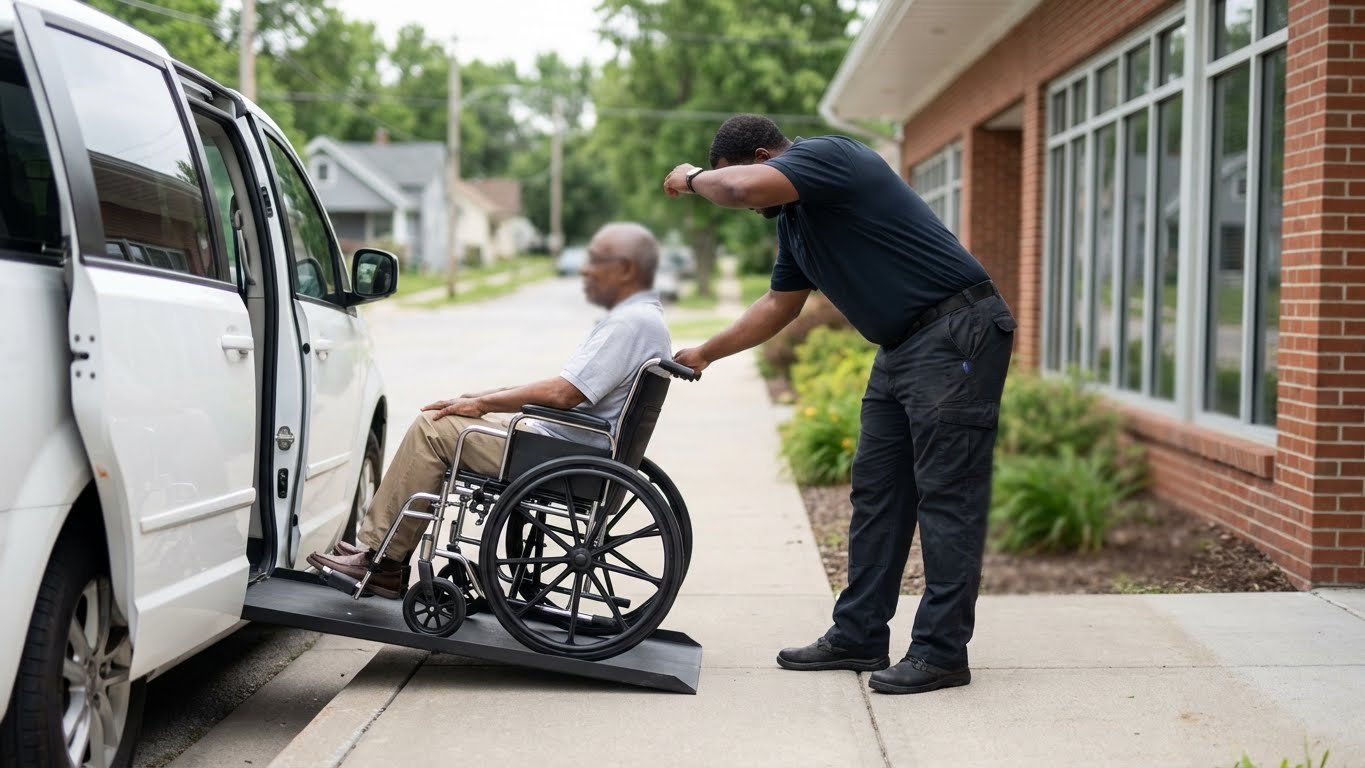
Curb-to-curb wheelchair transportation involves picking up and dropping off the client at the curb or vehicle loading area. The driver assists with securing the wheelchair inside the vehicle, but the client is responsible for getting to and from the building entrance independently or with help from a caregiver.
Curb-to-curb service may be appropriate for individuals who:
- Are confident navigating short distances
- Have good balance and endurance
- Do not need assistance entering buildings
- Have a caregiver present to help
This option is often chosen by highly independent wheelchair users.
What Is Door-to-Door Wheelchair Transportation?
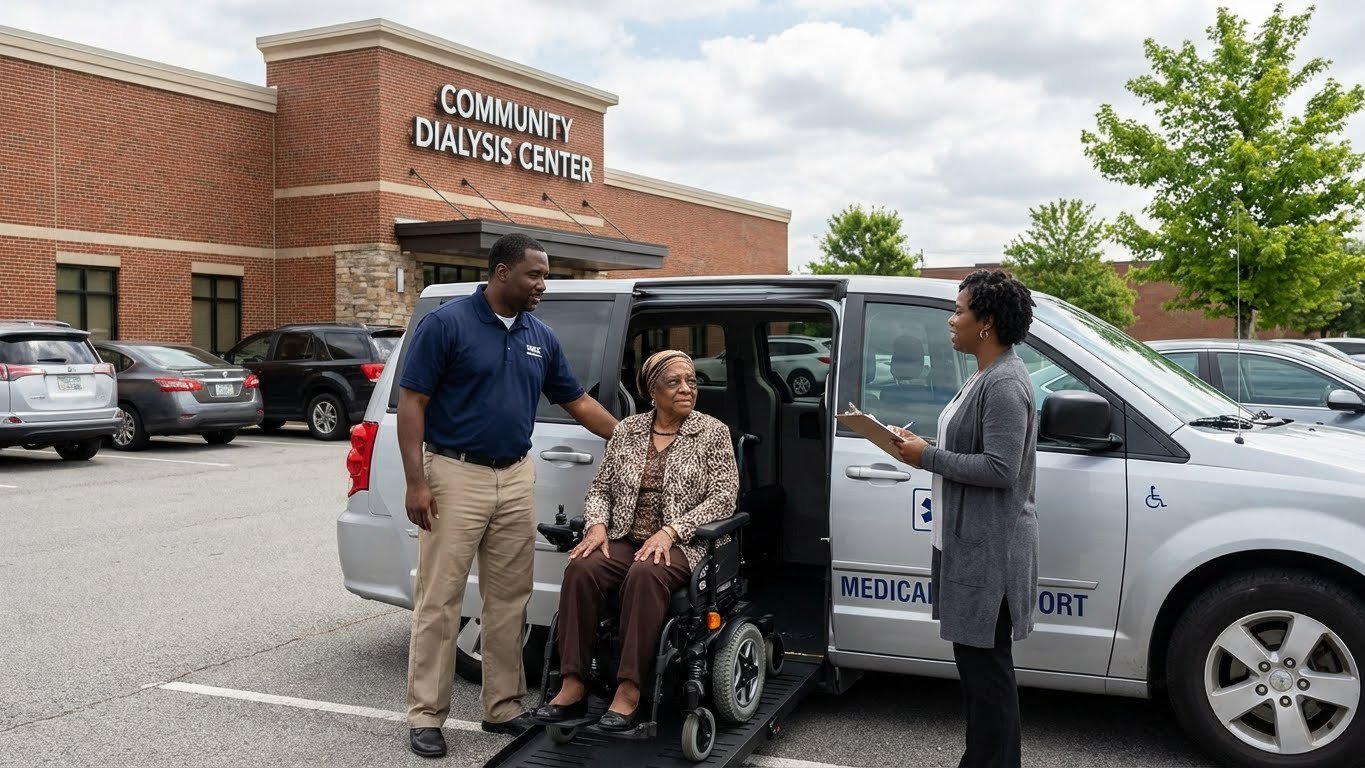
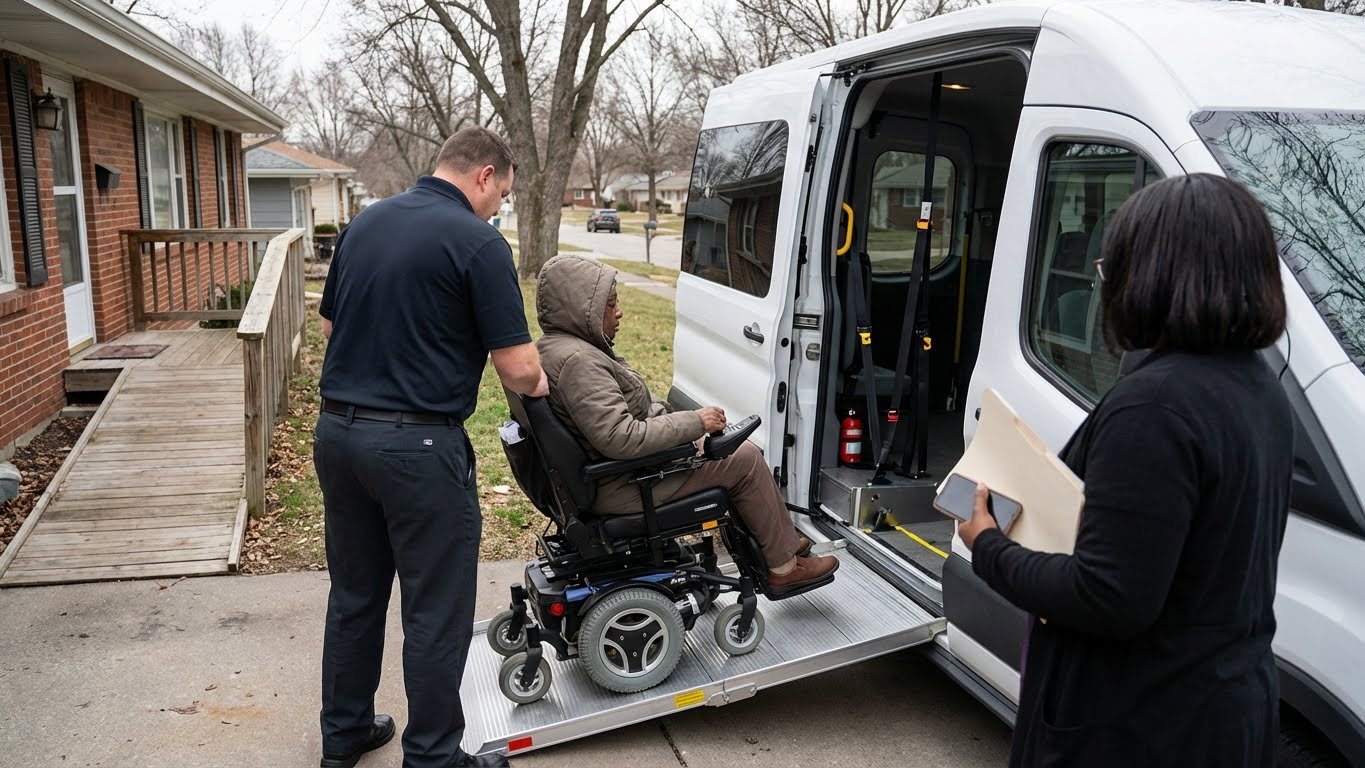
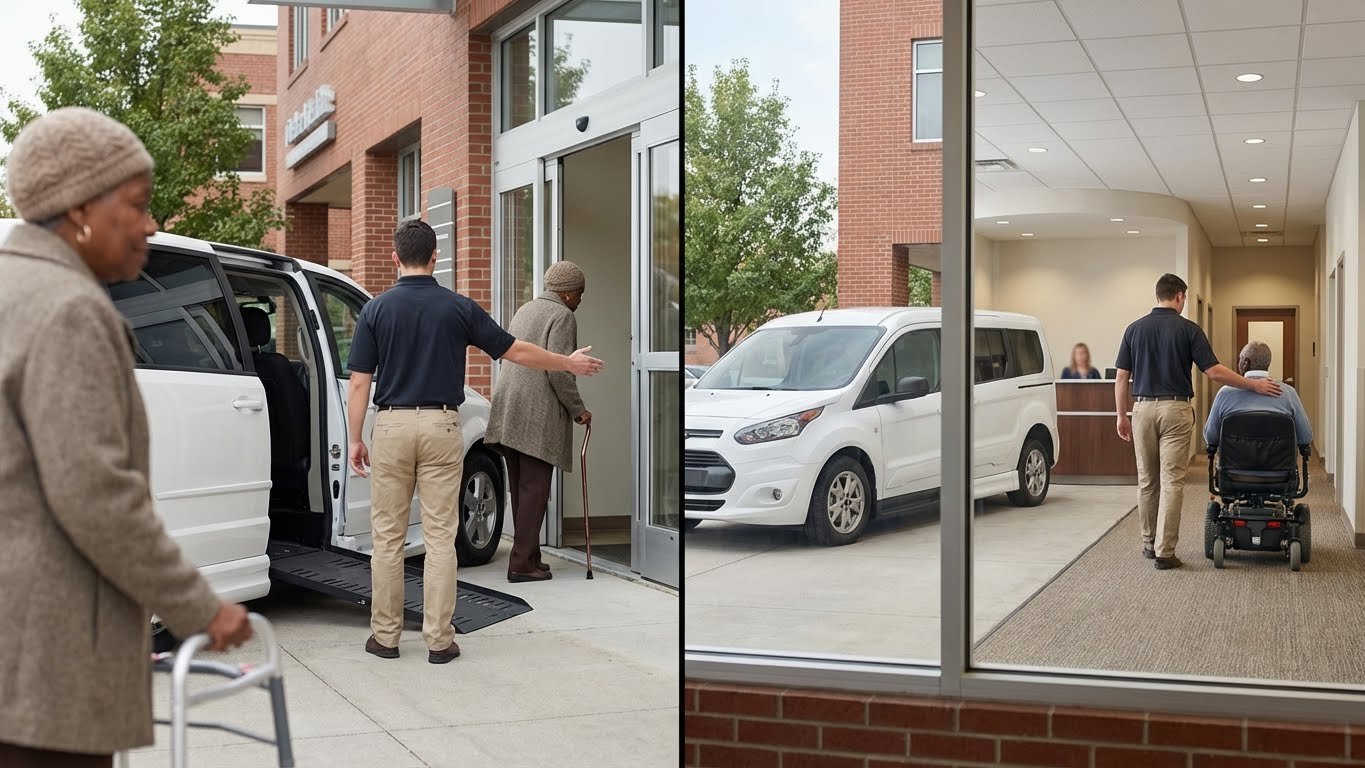
Door-to-door wheelchair transportation provides assistance from the client’s doorway into the vehicle, and from the vehicle into the destination entrance. This service level recognizes that parking lots, sidewalks, ramps, and building entrances can be challenging or unsafe for some clients.
Door-to-door service is especially helpful for:
- Seniors using wheelchairs
- Clients with limited stamina or balance
- Individuals recovering from illness or procedures
- Patients who feel anxious navigating facilities
Bridgewell Services prioritizes door-to-door support for clients who need extra assistance and reassurance.
Key Differences Between Door-to-Door and Curb-to-Curb Services
Level of Assistance
- Curb-to-curb provides minimal assistance beyond vehicle securement.
- Door-to-door includes hands-on support during transitions.
Safety
Door-to-door service reduces fall risk by assisting clients through uneven surfaces, ramps, and entryways.
Comfort and Confidence
Clients receiving door-to-door assistance often feel calmer and less rushed, especially during medical visits.
Why Service Level Matters for Medical Appointments
Medical appointments can be physically and emotionally taxing. Navigating parking lots or facility entrances alone may increase fatigue or anxiety before care even begins.
Choosing the right service level helps:
- Prevent falls and overexertion
- Reduce stress before appointments
- Ensure safe, timely arrival
- Improve the overall healthcare experience
Bridgewell Services helps clients select the appropriate service based on mobility, comfort, and health needs.
Wheelchair Transportation for Seniors
As mobility changes with age, tasks that once felt manageable can become difficult. Seniors using wheelchairs may experience:
- Reduced balance
- Fatigue after short distances
- Anxiety about navigating unfamiliar environments
Door-to-door wheelchair transportation supports seniors by providing patient, respectful assistance that preserves dignity and independence.
When Curb-to-Curb May Be Sufficient
Curb-to-curb service may work well when:
- The client is highly independent
- Entryways are short and obstacle-free
- A caregiver is available to assist
- The client prefers minimal interaction
Understanding limitations helps avoid discomfort or risk.
How Bridgewell Services Helps You Choose the Right Option
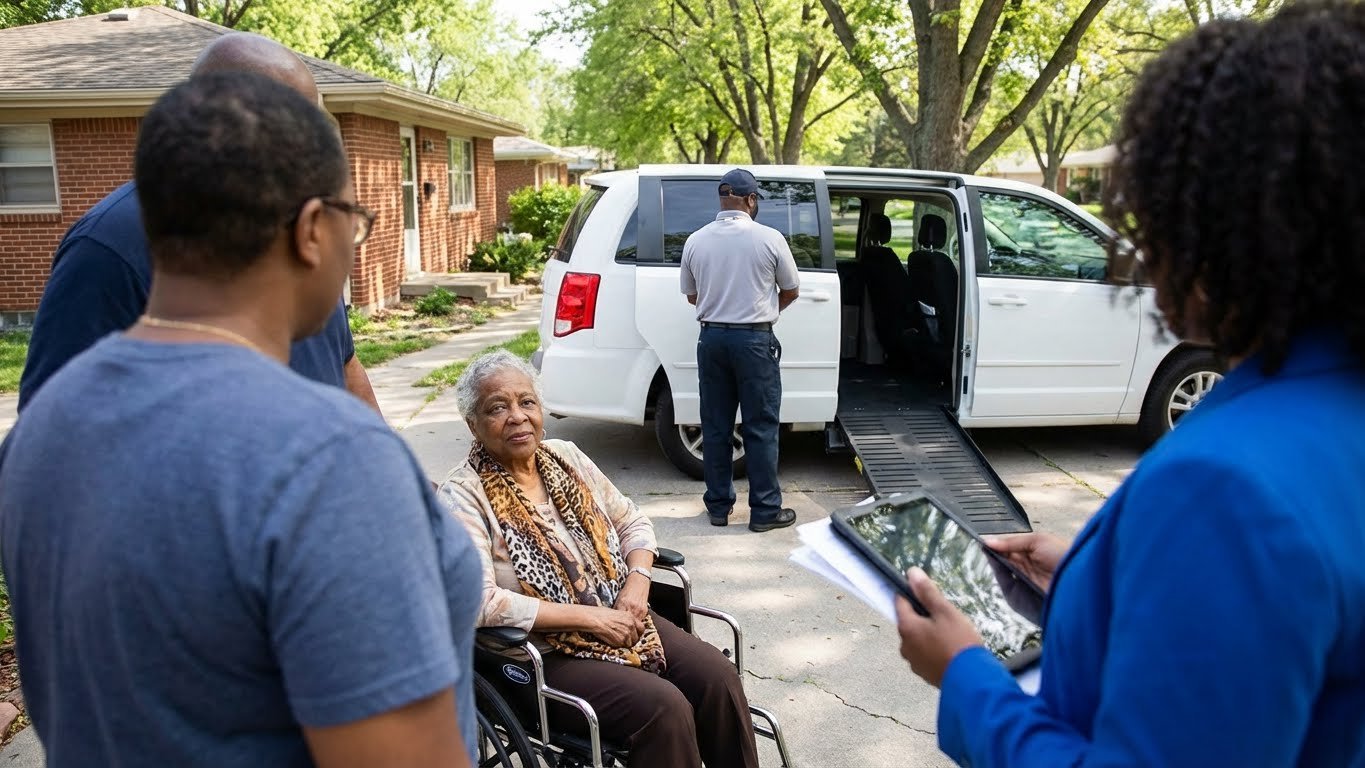
Bridgewell Services takes time to understand each client’s needs before scheduling transportation. By discussing mobility level, endurance, and comfort, the team helps determine whether curb-to-curb or door-to-door service is the safest choice.
This personalized approach prevents misunderstandings and ensures a positive experience.
Common Mistakes When Booking Wheelchair Transportation
Avoid these common issues:
- Choosing curb-to-curb service to save time despite mobility limitations
- Not disclosing fatigue or balance concerns
- Assuming all wheelchair transportation includes door-to-door support
Clear communication ensures appropriate service and safety.
Why Door-to-Door Service Is Often the Better Choice
While curb-to-curb may seem convenient, door-to-door service provides:
- Greater safety
- Reduced physical strain
- Emotional reassurance
- Better support for medical visits
For many seniors and medical patients, the added support is worth it.
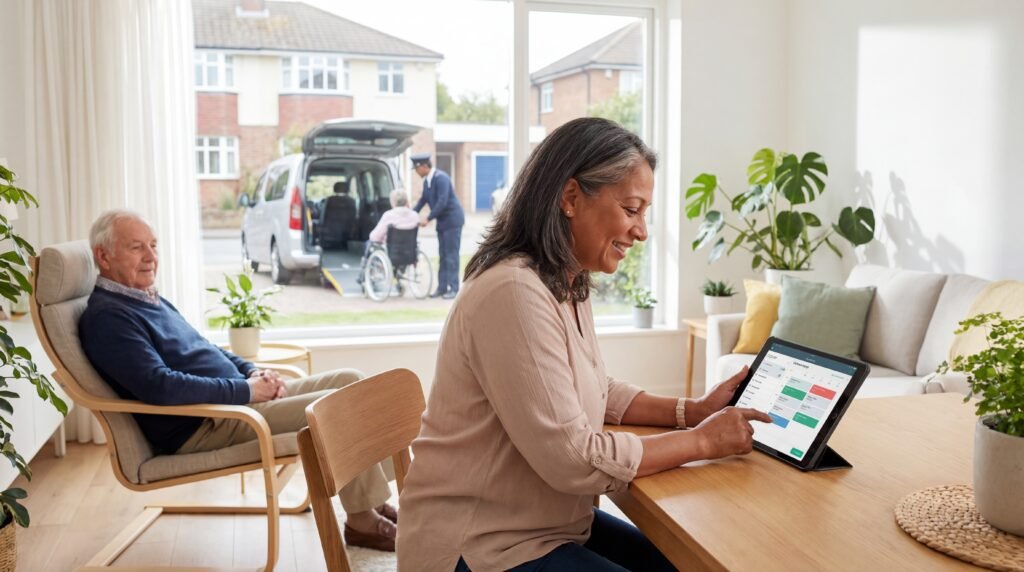
How to Book the Right Wheelchair Transportation Service
When booking, share details such as:
- Mobility level
- Use of wheelchair or walker
- Need for assistance entering buildings
- Appointment type and duration
Conclusion
Choosing between door-to-door and curb-to-curb wheelchair transportation is an important decision that affects safety, comfort, and peace of mind. Understanding the differences helps patients and families select the right level of support for medical travel.
Bridgewell Services provides wheelchair transportation designed around individual needs. With a focus on supportive care and patient dignity, Bridgewell ensures every journey—whether door-to-door or curb-to-curb—is handled with professionalism, compassion, and reliability.