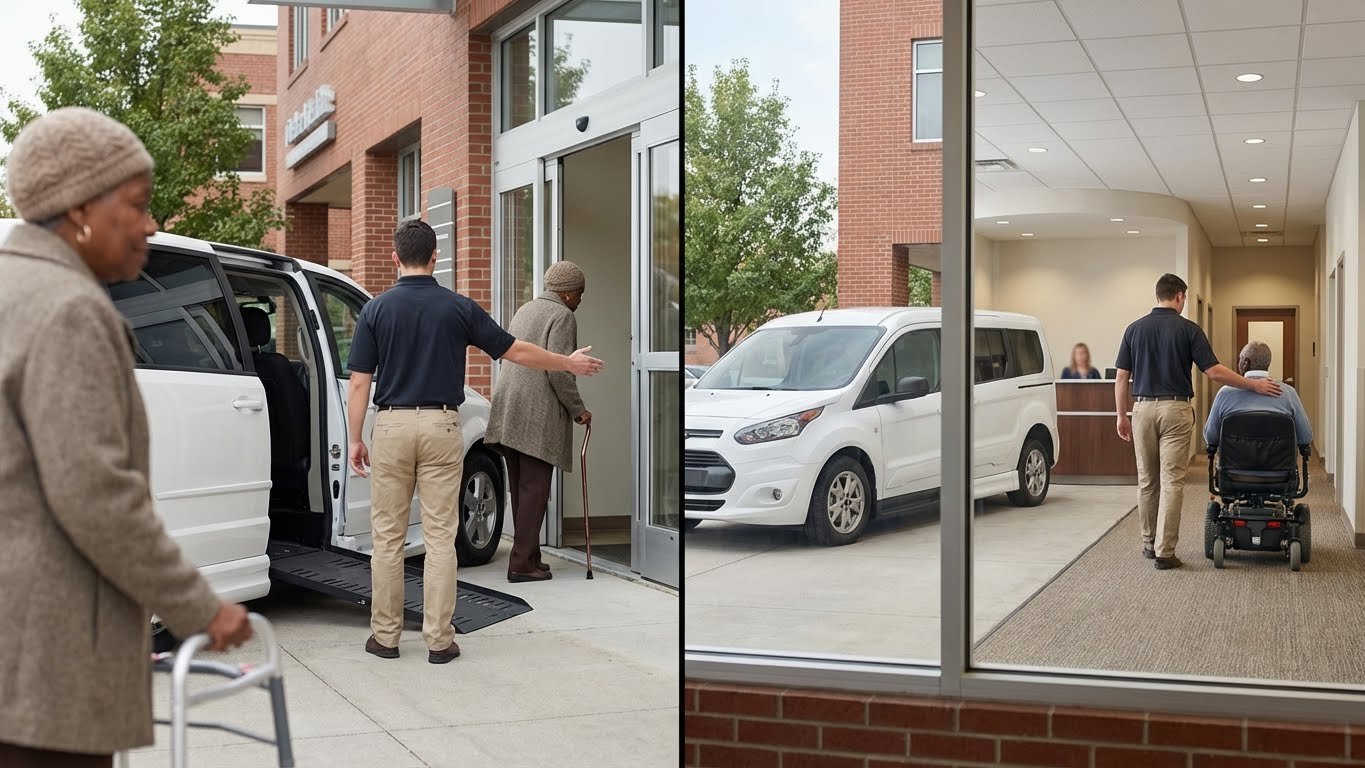

Bringing a loved one home after a hospital stay is an important milestone—but it can also be one of the most stressful moments in the care journey. Patients are often weak, medicated, or unable to move safely on their own. Without proper planning, transportation can become overwhelming and even risky.
A clear hospital-to-home transportation checklist helps caregivers prepare for discharge day and ensures patients return home safely, comfortably, and with dignity. Bridgewell Services provides non-emergency hospital discharge transportation in Issaquah, Washington, designed to support patients and caregivers during this critical transition.
Why Hospital-to-Home Transportation Requires Planning
Hospital discharge does not mean a patient is fully recovered. Many patients:
- Are still experiencing pain or dizziness
- Have limited mobility or balance
- Cannot sit upright for long periods
- Require physical assistance
Transportation is often the first challenge patients face after leaving the hospital. Proper planning helps prevent falls, delays, and unnecessary stress.
Step 1: Confirm the Patient’s Mobility Status
Before arranging transportation, confirm how the patient can safely travel. Ask the care team:
- Can the patient sit upright safely?
- Is wheelchair transportation appropriate?
- Is stretcher or bed-to-bed transport required?
Choosing the wrong option can increase discomfort or risk injury.
Step 2: Choose the Right Type of Transportation
Hospital-to-home transportation may include:
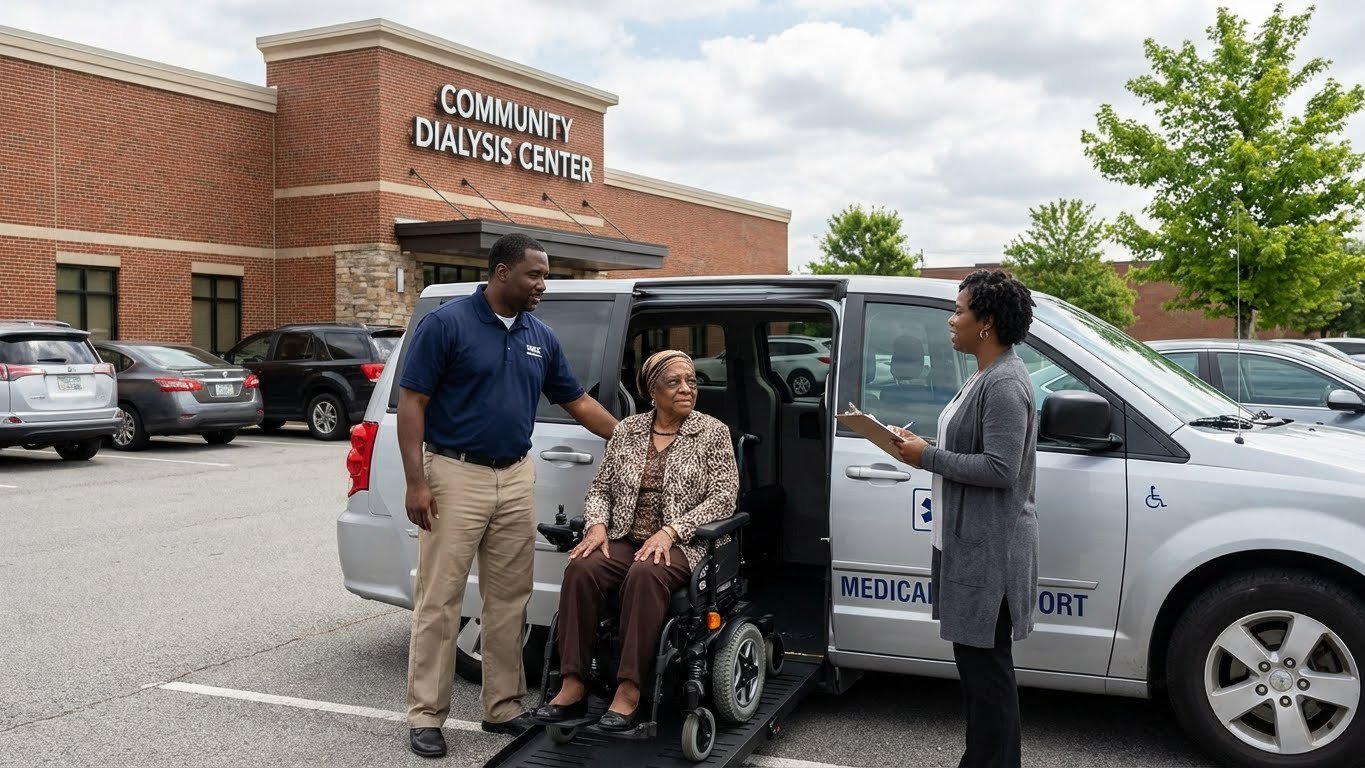
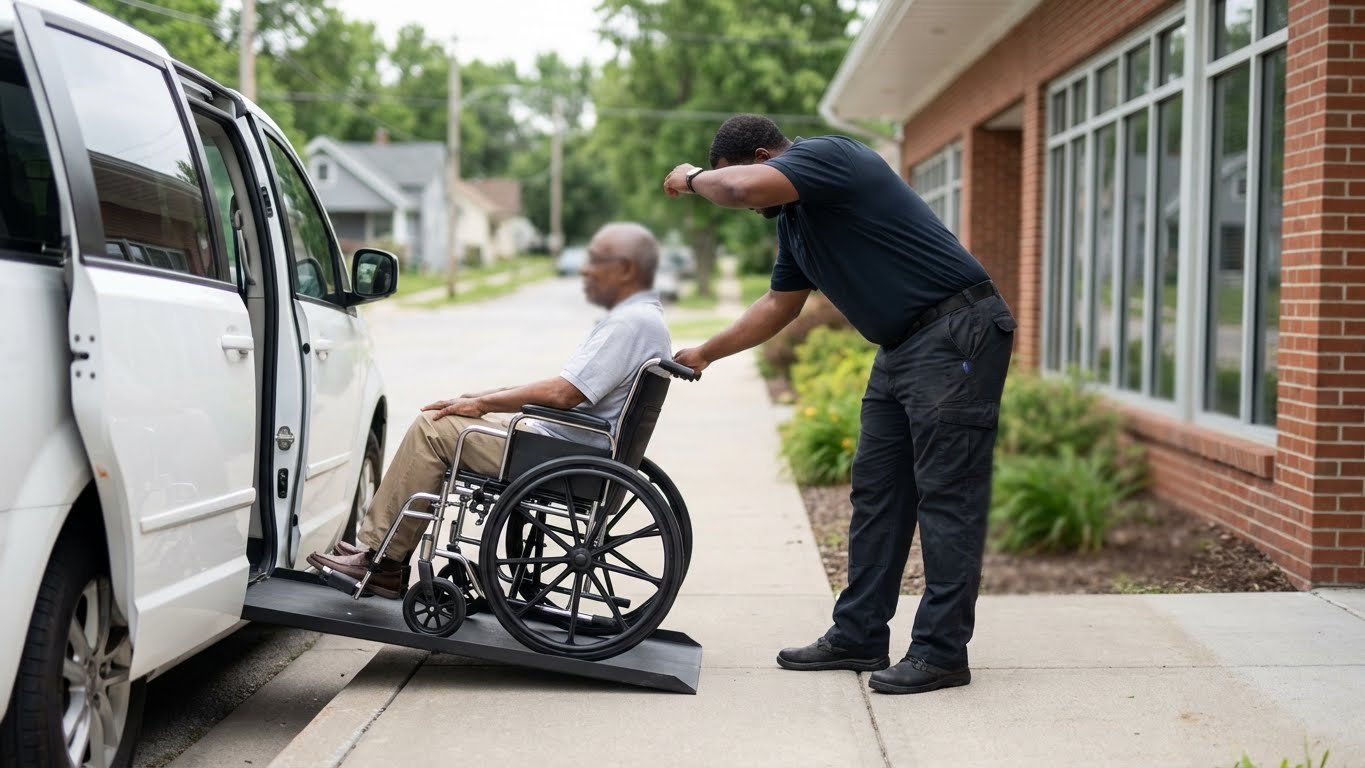
- Wheelchair transportation for patients who can sit safely
- Stretcher transportation for patients who must remain lying down
- Bed-to-bed transportation for patients who cannot transfer independently
Selecting the correct service ensures comfort and safety from discharge to arrival.
Step 3: Coordinate Discharge Timing Carefully
Discharge times often change. Communicate clearly with hospital staff and the transportation provider to avoid:
- Long waits in discharge areas
- Rushed transfers
- Scheduling conflicts
Advance coordination helps ensure transportation arrives when the patient is truly ready.
Step 4: Prepare the Home Before Arrival
Before the patient arrives home:
- Clear walkways and entrances
- Prepare a bed or resting area
- Ensure medical equipment is accessible
- Make sure lighting and pathways are safe
Preparation reduces physical strain and risk during arrival.
Step 5: Gather Essential Items for the Ride
Have these items ready:
- Discharge paperwork
- Medications or prescriptions
- Identification and insurance information
- Comfortable clothing and personal items
Keeping essentials accessible prevents unnecessary movement during transport.
Step 6: Communicate Assistance Needs Clearly
Let the transportation provider know if the patient:
- Needs door-to-door or bed-to-bed assistance
- Tires easily or experiences pain when moving
- Requires extra time during transfers
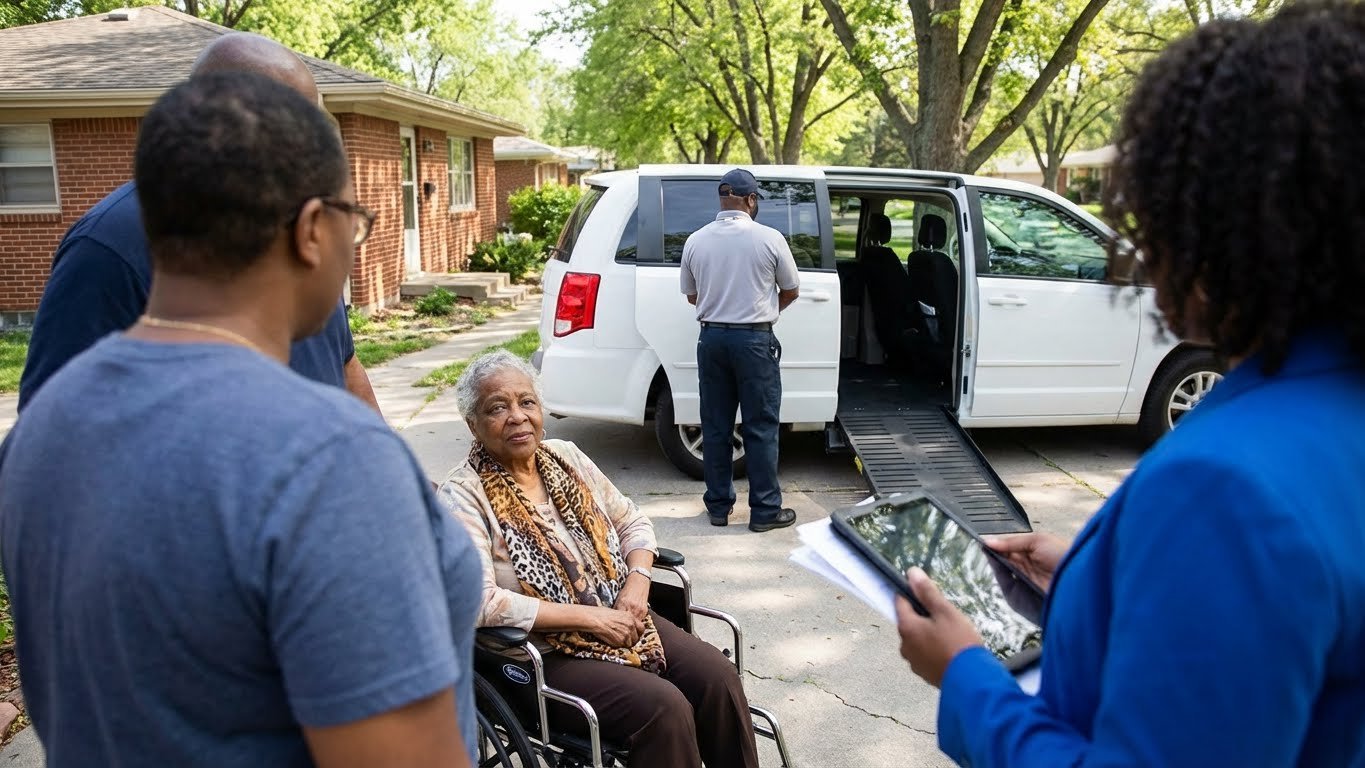
Clear communication allows providers to plan appropriate support.
Step 7: Plan for Post-Discharge Fatigue
Patients are often exhausted after discharge. Transportation should allow:
- A calm, unhurried ride
- Minimal movement
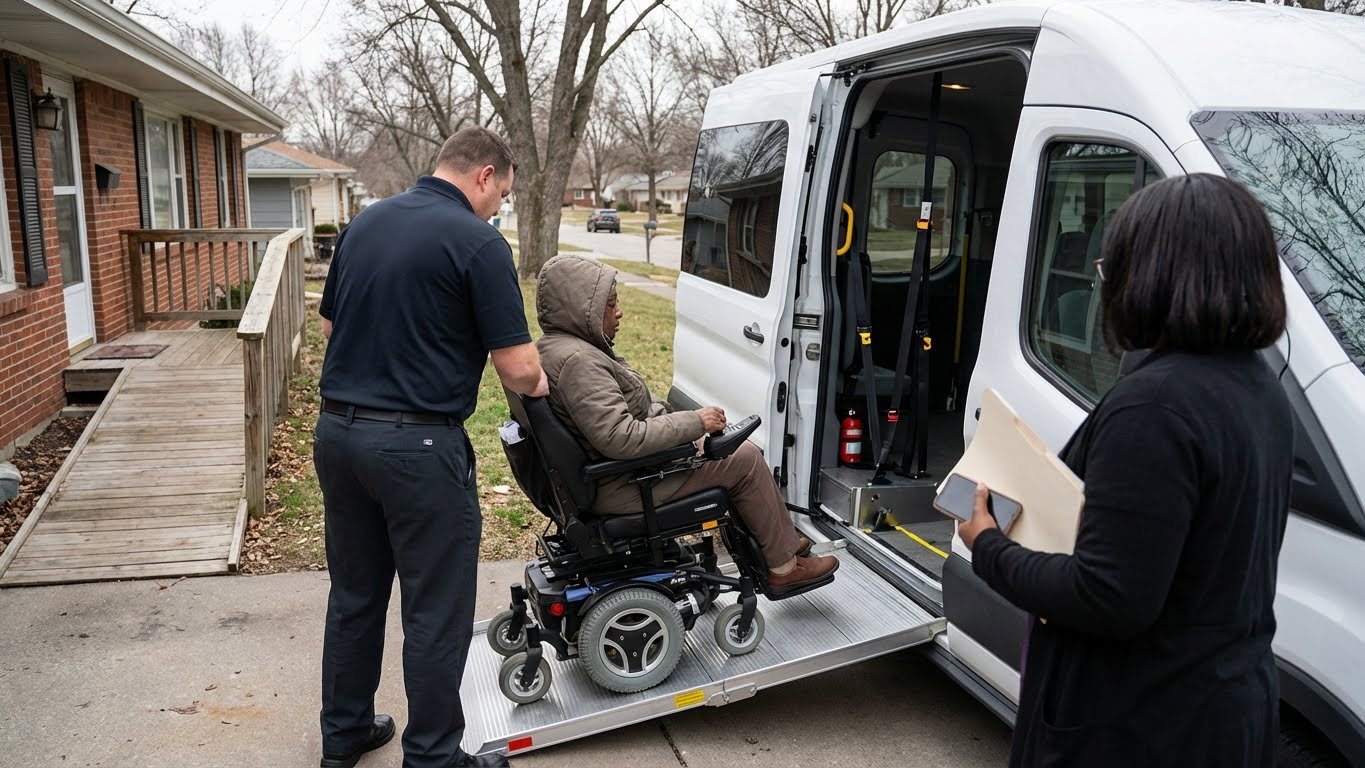
- Assistance entering the home
Rushing can worsen fatigue and increase discomfort.
Reducing Caregiver Stress During Discharge
Caregivers often juggle paperwork, medications, and follow-up instructions on discharge day. Reliable transportation removes one major source of stress.
Professional hospital-to-home transportation helps caregivers:
- Avoid physical lifting or transfers
- Reduce anxiety about patient safety
- Focus on recovery and care planning
Transportation becomes one less thing to worry about.
How Bridgewell Services Supports Hospital-to-Home Transportation
Bridgewell Services treats hospital discharge transportation as an extension of care. Each ride is handled with patience, professionalism, and respect.
Caregivers can expect:
- Trained, patient-focused drivers
- Proper handling and securement
- Calm, careful driving
- Clear communication throughout the process
Patients are never rushed and always treated with dignity.
Common Discharge Transportation Mistakes to Avoid
Avoid:
- Waiting until discharge day to book transportation
- Assuming rideshare services are sufficient
- Choosing wheelchair transport when stretcher support is needed
- Failing to prepare the home environment
Planning ahead prevents unnecessary stress and risk.
Why the Right Transportation Supports Recovery
Safe hospital-to-home transportation helps:
- Reduce pain and fatigue
- Prevent falls and injuries
- Support smoother recovery
- Improve patient confidence
Transportation is the first step of healing outside the hospital—doing it right matters.
Conclusion
Hospital-to-home transportation is a critical part of recovery, not just a ride home. With proper planning and professional support, caregivers can ensure their loved ones return home safely, comfortably, and with dignity.
Bridgewell Services provides hospital discharge transportation designed around patient safety and compassionate care. By following a clear checklist and choosing the right transportation provider, families can focus on healing—knowing every step of the journey is handled with care and professionalism.