When a loved one cannot walk, stand, or safely transfer on their own, transportation becomes more than a ride—it becomes a critical part of care. In these situations, bed-to-bed transportation services provide the highest level of non-emergency transport support, ensuring patients are assisted from one bed directly to another without unnecessary movement or risk.
Bridgewell Services offers bed-to-bed non-emergency medical transportation in Issaquah, Washington, designed for patients who need full physical support during medical transfers. Understanding how bed-to-bed transportation works helps families prepare, reduces anxiety, and ensures a smoother transition during vulnerable moments.
What Is Bed-to-Bed Transportation?
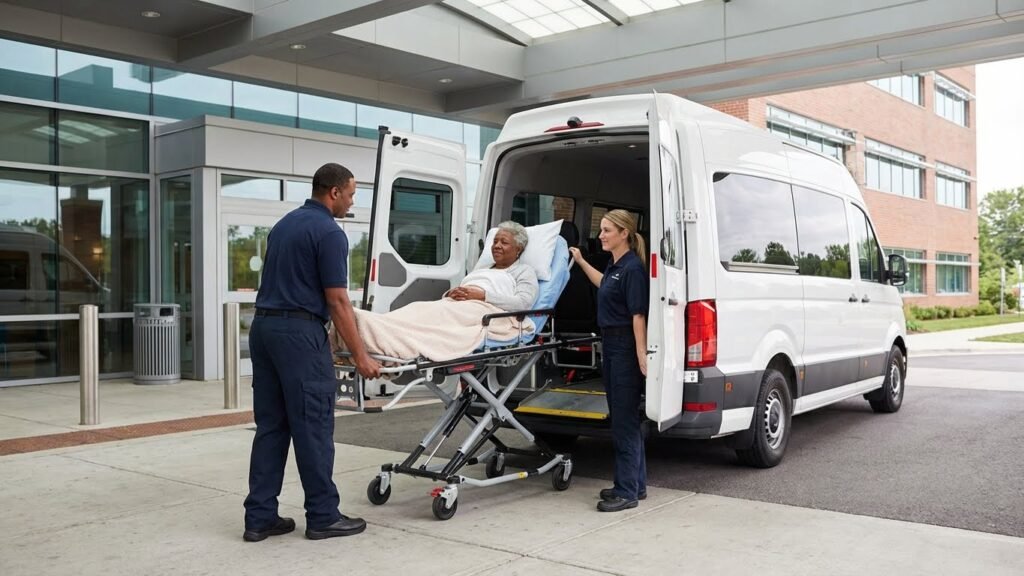
Bed-to-bed transportation is a specialized form of stretcher transportation where the patient is assisted:
- From their bed at the pickup location
- Onto a stretcher
- Transported safely
- And transferred directly into a bed at the destination
At no point is the patient expected to walk, sit upright, or transfer independently. This service is commonly used during hospital discharge, facility transfers, or post-surgical recovery.
Who Needs Bed-to-Bed Transportation Services?
Bed-to-bed transportation is ideal for patients who:
- Are being discharged after surgery or hospitalization
- Cannot safely sit upright
- Are experiencing extreme weakness or pain
- Require full physical assistance
- Are transferring between hospitals, rehab centers, or nursing facilities
For these individuals, even short transfers can pose safety risks without professional support.
Why Bed-to-Bed Transportation Is Different from Standard Stretcher Transport
While all bed-to-bed services involve stretchers, not all stretcher transport includes full bed-to-bed assistance. Bed-to-bed transportation provides continuous support at both ends of the journey, not just during the ride itself.
This difference matters because:
- Transfers are when patients are most vulnerable
- Improper handling increases fall and injury risk
- Fatigue and pain are often highest during transitions
Bridgewell Services emphasizes careful handling and patient dignity during every transfer.
What Families Can Expect During the Process
Understanding the process helps families feel more prepared and confident.
Pre-Transport Coordination
Transportation is scheduled in advance and coordinated with hospitals, facilities, or caregivers to align with discharge or transfer timing.
Careful Patient Transfer
Patients are assisted calmly and respectfully from bed to stretcher using proper techniques designed to minimize strain and discomfort.
Secure, Comfortable Transport
The stretcher is properly secured inside the vehicle, and the ride is smooth and unhurried.
Arrival & Bed Transfer
At the destination, the patient is transferred directly into a bed with the same level of care and patience.
Why Bed-to-Bed Transportation Supports Recovery
After surgery or illness, unnecessary movement can delay healing and increase pain. Bed-to-bed transportation reduces physical strain, allowing patients to conserve energy and focus on recovery.
This service is especially important when:
- Patients are still medicated
- Muscle strength is limited
- Pain levels are high
- Balance and coordination are impaired
Reducing movement supports safer healing.
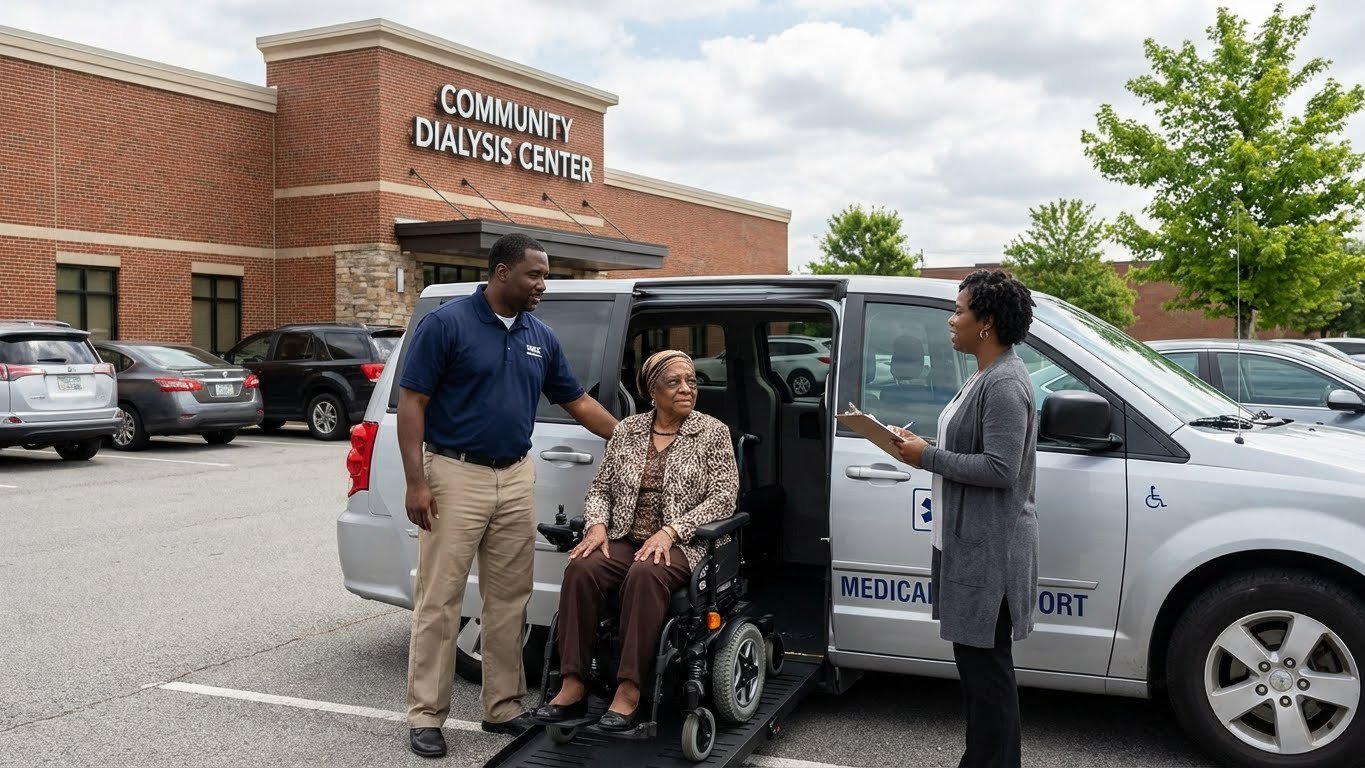
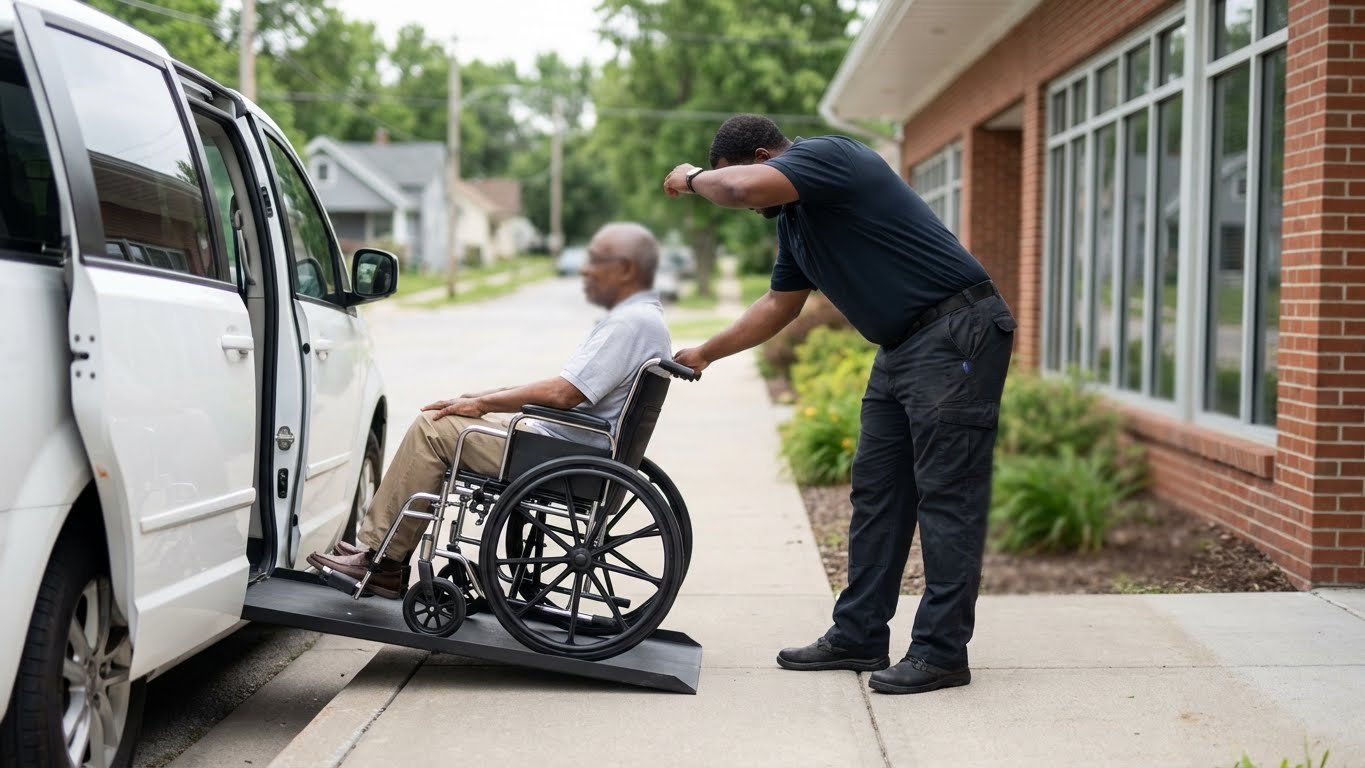
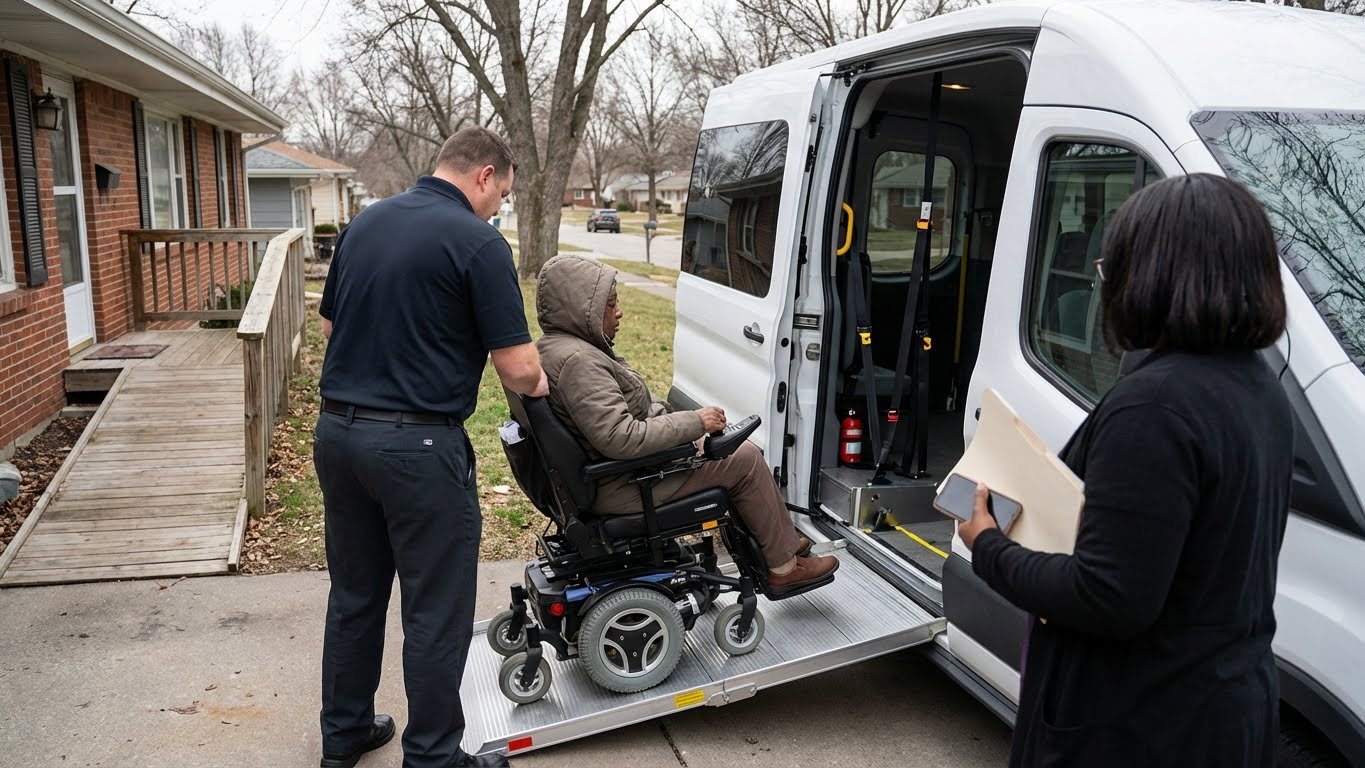
Bed-to-Bed Transportation vs Wheelchair Transportation
Wheelchair transportation is appropriate only when a patient can sit upright safely and tolerate transfers. Bed-to-bed transportation is required when this is not possible.
Choosing the wrong option can lead to:
- Increased pain
- Unsafe transfers
- Emotional distress
- Risk of injury
How Bridgewell Services Provides Bed-to-Bed Transportation
Bridgewell Services treats bed-to-bed transportation as an extension of healthcare—not just logistics. Each ride is handled with professionalism, patience, and respect.
Clients benefit from:
- Trained drivers experienced in patient transfers
- Proper stretcher handling and securement
- Calm, respectful communication
- Coordination with caregivers and facilities
Every detail is designed to protect patient comfort and dignity.
Reducing Stress for Families and Caregivers
Caregivers often worry about how a loved one will be moved during transfers. Bed-to-bed transportation removes the burden of lifting, transferring, or coordinating multiple steps.
Professional transportation helps caregivers:
- Avoid physical strain
- Reduce anxiety about safety
- Ensure loved ones are handled properly
- Focus on recovery and care planning
Peace of mind matters during medical transitions.
How to Prepare for Bed-to-Bed Transportation
Preparation helps ensure a smooth experience:
- Confirm pickup and destination details
- Coordinate timing with the facility
- Prepare the destination bed area
- Communicate medical limitations clearly
Clear communication allows transportation providers to plan appropriately.
When Bed-to-Bed Transportation Is the Best Choice
Bed-to-bed transportation should be chosen when patients cannot safely transfer or sit upright. Attempting lesser support options in these cases can compromise safety and comfort.
Professional guidance helps families make the right decision.
Why Choose Bridgewell Services for Bed-to-Bed Transportation?
Bridgewell Services is trusted because it prioritizes patient dignity, safety, and calm transitions—especially during vulnerable moments.
Families choose Bridgewell Services for:
- Compassionate, patient-focused care
- Reliable hospital discharge support
- Professional bed-to-bed transfers
- Clear communication and coordination
Conclusion
Bed-to-bed transportation services provide essential support for patients who cannot move independently during medical transfers. By offering full assistance from bed to bed, this service protects patient safety, comfort, and dignity.
Bridgewell Services delivers bed-to-bed non-emergency medical transportation with care and professionalism. By treating transportation as part of the healing process, Bridgewell helps patients and families navigate medical transitions with confidence—knowing every movement is handled with respect and expertise.