When a patient needs medical transportation but does not require emergency care, families are often unsure which service is appropriate. Two of the most common non-emergency options are wheelchair transportation and stretcher transportation. While both support safe medical travel, they are designed for very different patient needs.
Choosing the wrong option can lead to discomfort, safety risks, or unnecessary stress—especially during hospital discharge or recovery. Bridgewell Services provides both wheelchair and stretcher transportation in Issaquah, Washington, with a focus on supportive, patient-centered care. Understanding the differences helps families make confident, informed decisions.
What Is Wheelchair Transportation?
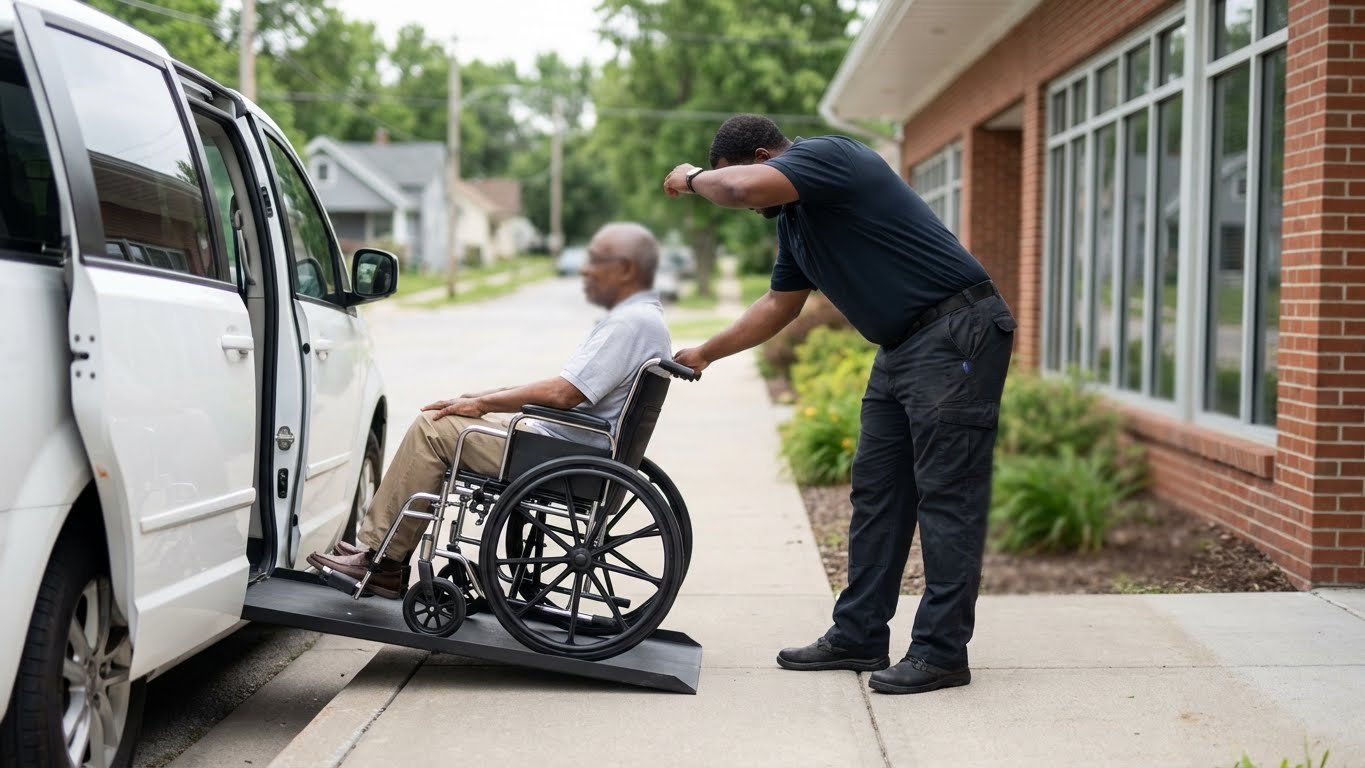
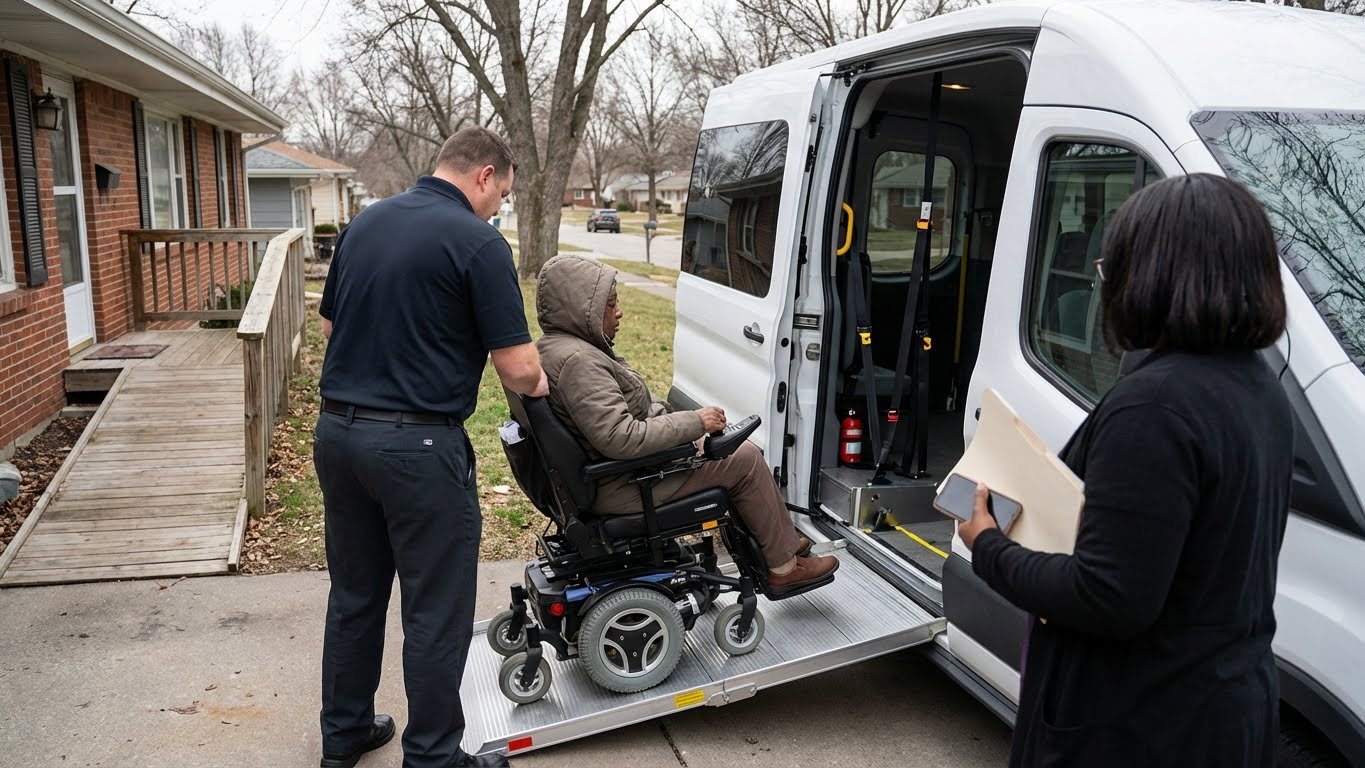
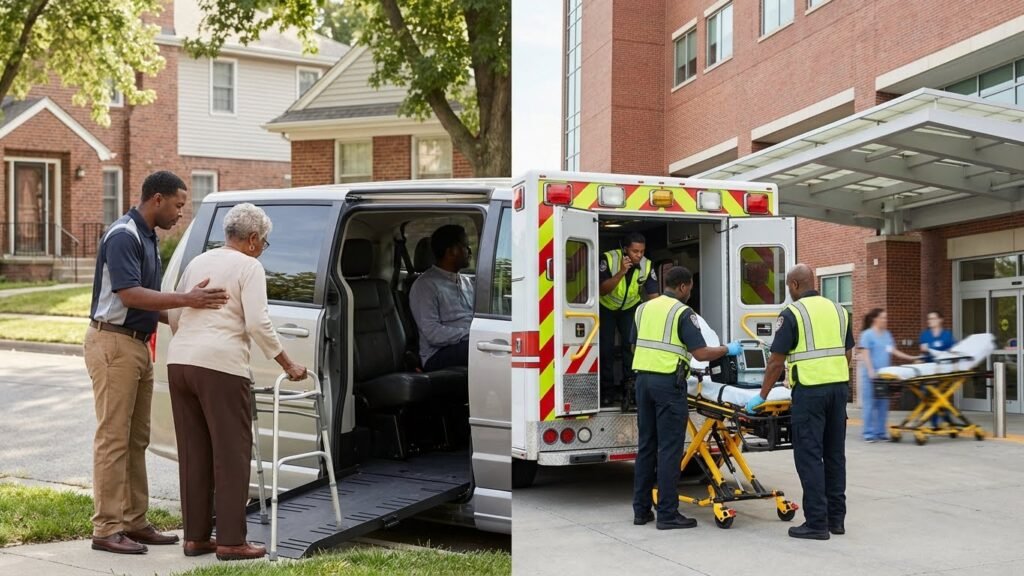
Wheelchair transportation is designed for patients who can remain seated safely during travel. The patient stays in their wheelchair, which is securely fastened inside an accessible vehicle equipped with ramps or lifts.
Wheelchair transportation is commonly used for:
- Seniors with limited walking ability
- Patients attending routine medical appointments
- Dialysis and therapy visits
- Individuals who tire easily but can sit upright
This option supports independence while providing professional assistance and safe vehicle access.
What Is Stretcher Transportation?
Stretcher transportation is used when a patient cannot sit upright safely and must remain lying down or fully supported during the ride. The patient is transported on a stretcher inside a medically appropriate vehicle.
Stretcher transportation is often required for:
- Patients recovering from surgery
- Individuals being discharged from the hospital
- Patients experiencing severe weakness or pain
- Individuals who cannot safely transfer into a wheelchair
Bridgewell Services provides non-emergency stretcher transportation focused on comfort, dignity, and careful handling.
Key Differences Between Wheelchair and Stretcher Transportation
Understanding the core differences helps ensure patient safety.
- Patient Position
- Wheelchair transport: patient remains seated
- Stretcher transport: patient remains lying down
- Mobility Requirements
- Wheelchair transport requires the patient to tolerate sitting
- Stretcher transport supports patients with very limited mobility
- Level of Physical Support
- Stretcher transportation provides full-body support
- Wheelchair transportation provides seated stability and assistance
Common Use Cases
- Wheelchair: routine appointments, dialysis, outpatient care
- Stretcher: hospital discharge, post-surgical recovery, facility transfers
- When Stretcher Transportation Is the Safer Choice
- Stretcher transportation should be chosen when a patient:
- Cannot sit upright for the duration of the ride
- Experiences significant pain or dizziness
- Is at risk of falling during transfers
- Requires bed-to-bed or facility-to-facility transport
Attempting wheelchair transportation in these situations can increase discomfort or injury risk.
When Wheelchair Transportation Is Appropriate
Wheelchair transportation is suitable when a patient:
- Can remain seated comfortably
- Has stable posture and balance
- Can tolerate short transfers with assistance
- Does not require a reclined position
This option supports independence while still providing professional care.
Why Choosing the Wrong Option Can Cause Problems
Selecting an inappropriate transportation method can lead to:
- Increased pain or fatigue
- Unsafe transfers
- Delayed recovery
- Emotional stress for patients and caregivers
- Professional guidance helps avoid these outcomes and ensures the right level of support.
How Bridgewell Services Helps Determine the Right Option
Bridgewell Services takes time to understand each patient’s condition before scheduling transportation. By discussing mobility level, comfort needs, and recovery status, the team helps families choose the safest option.
This thoughtful approach prevents last-minute issues and ensures a smoother experience.
Stretcher vs Wheelchair Transportation During Hospital Discharge
Hospital discharge is one of the most common times families must choose between stretcher and wheelchair transportation. Patients may feel weak, medicated, or unable to sit upright after treatment.
Stretcher transportation often provides:
- Reduced physical strain
- Safer transfers
- Greater comfort during recovery
Bridgewell Services coordinates closely with families and facilities during discharge to ensure safe transitions.
- Reducing Caregiver Stress Through the Right Choice
- Caregivers often worry about making the wrong decision.
- Reduces anxiety
- Prevents complications
- Ensures patient comfort
- Supports smoother recovery
Reliable transportation removes one major concern during vulnerable moments.
How Bridgewell Services Supports Both Transportation Types
Bridgewell Services provides both wheelchair and stretcher transportation with the same commitment to care.
Clients benefit from:
- Trained, patient-focused drivers
- Proper equipment and securement
- Calm, respectful assistance
- Reliable scheduling
Trasportation is treated as part of the healthcare journey—not just logistics.
Conclusion
Understanding the difference between stretcher and wheelchair transportation is essential for safe, comfortable medical travel. While both services play important roles, choosing the right option protects patient well-being and supports recovery.
Bridgewell Services offers professional wheelchair and stretcher transportation designed around patient needs. With compassionate support and careful planning, Bridgewell helps patients and families navigate medical transportation with confidence—knowing every journey is handled with safety, dignity, and care.