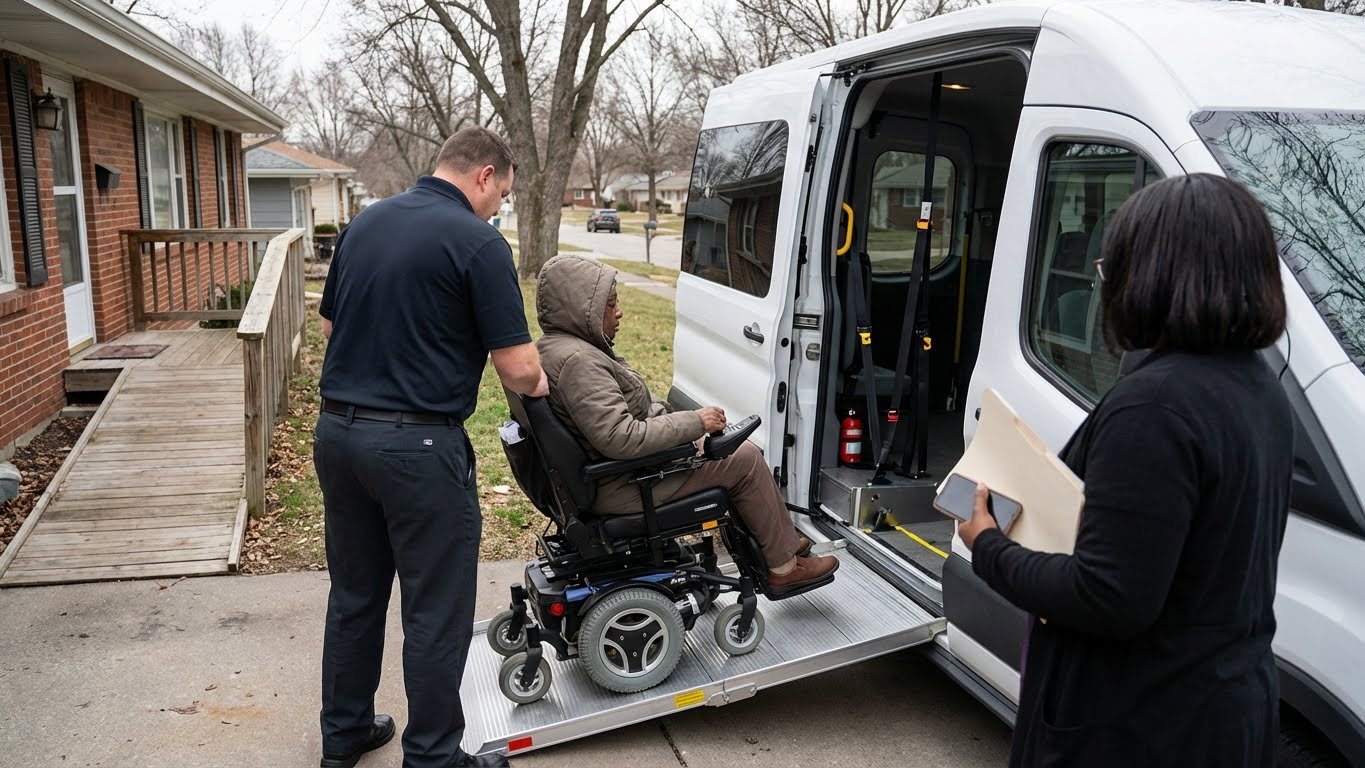

Dialysis patients often feel vulnerable due to physical exhaustion and long-term illness. Transportation should never add embarrassment, pressure, or discomfort.
Supportive dialysis transportation protects dignity while supporting independence.
Why Dialysis Patients Need More Than a Ride
After treatment, many patients feel:
- Drained
- Weak
- Emotionally overwhelmed
Rushed or impersonal transportation can increase anxiety and discomfort.
What Supportive Dialysis Transportation Looks Like
Supportive care includes:
- Patient-paced assistance
- Extra time for boarding
- Calm, respectful communication
- Attention to fatigue and comfort
This approach treats transportation as part of healthcare—not just a transfer.
Preserving Independence Through Professional Support
Reliable transportation allows patients to:
- Attend treatment without relying on family
- Maintain routines
- Retain autonomy and confidence
Supportive assistance empowers patients rather than limiting them.
Comfort Is Essential, Not Optional
Comfort-focused transportation includes:
- Clean, quiet vehicles
- Smooth driving
- Respect for patient preferences
Comfort directly impacts willingness to attend ongoing treatment.
Final Thoughts
Supportive dialysis transportation protects dignity, comfort, and independence during one of the most demanding healthcare routines a patient can face.
When transportation is compassionate and reliable, patients can focus on living—not just surviving