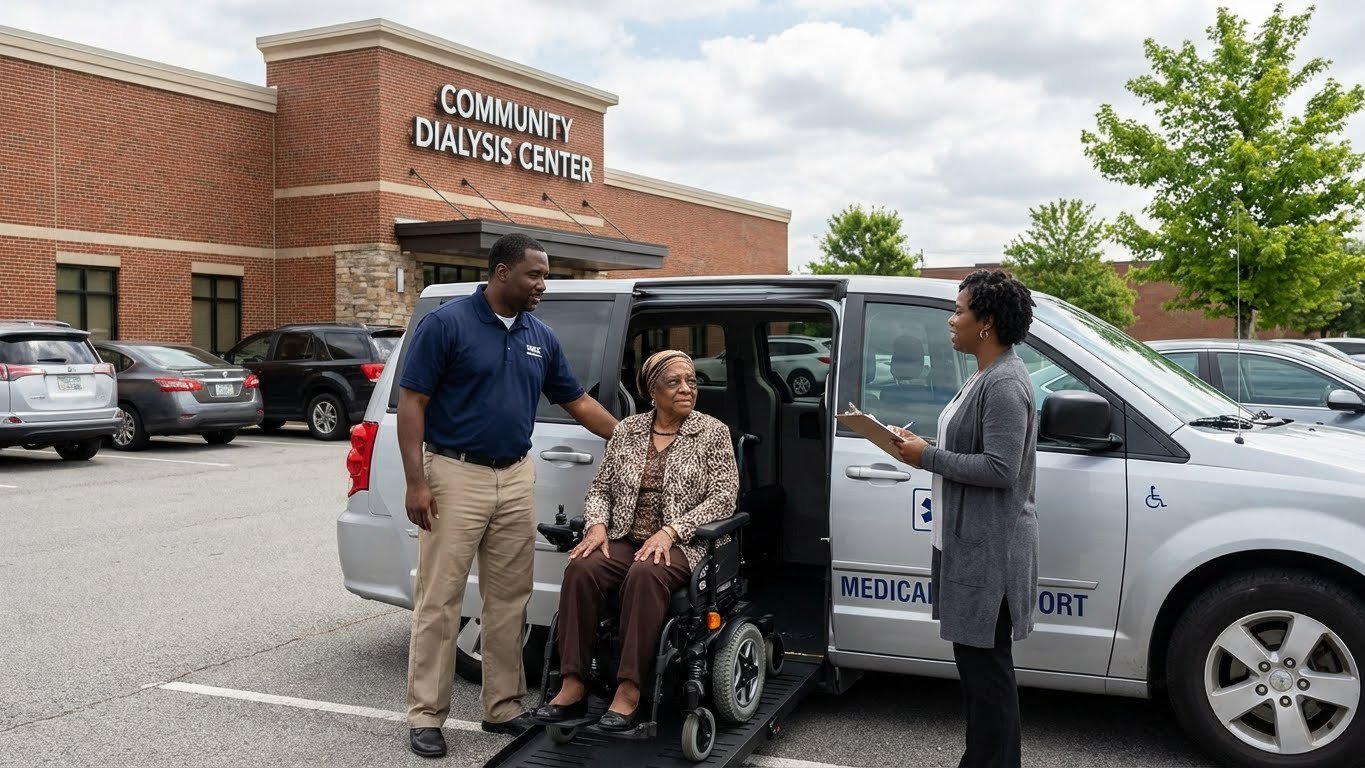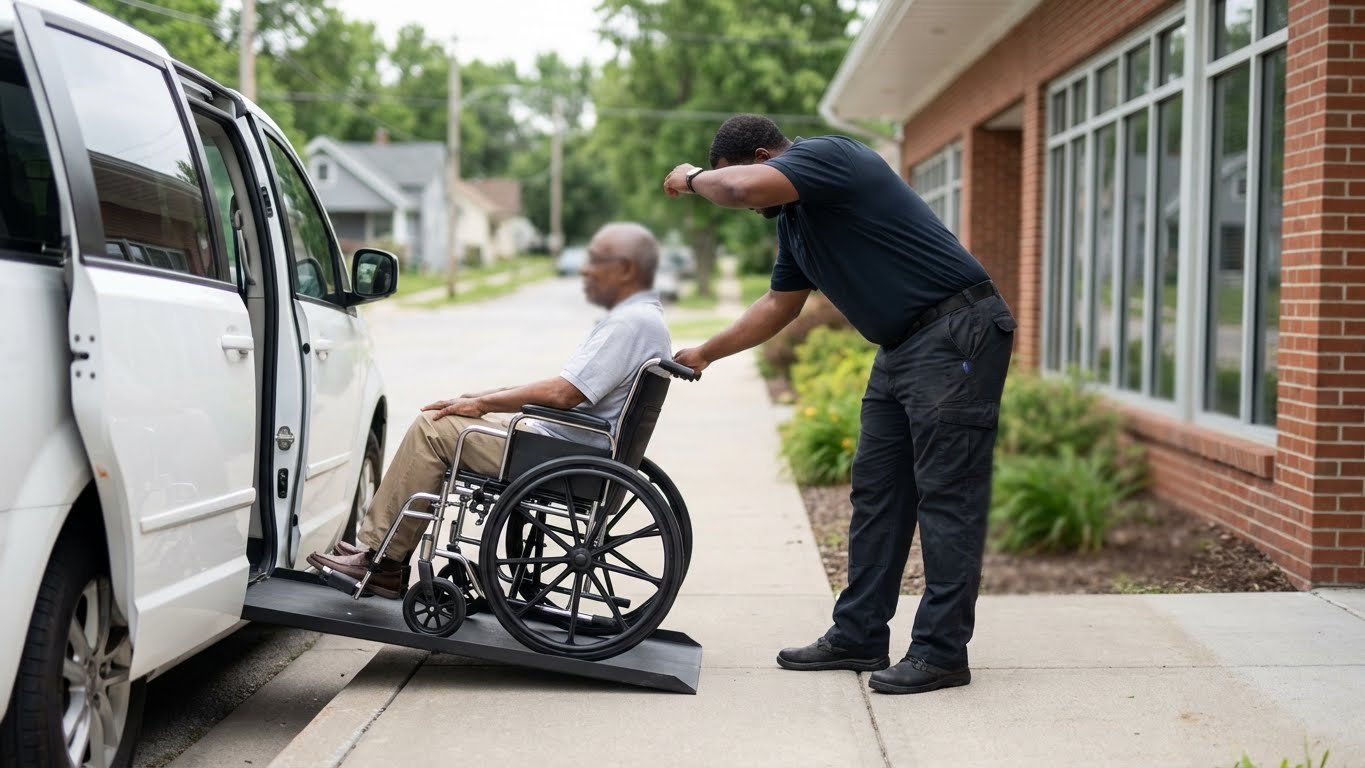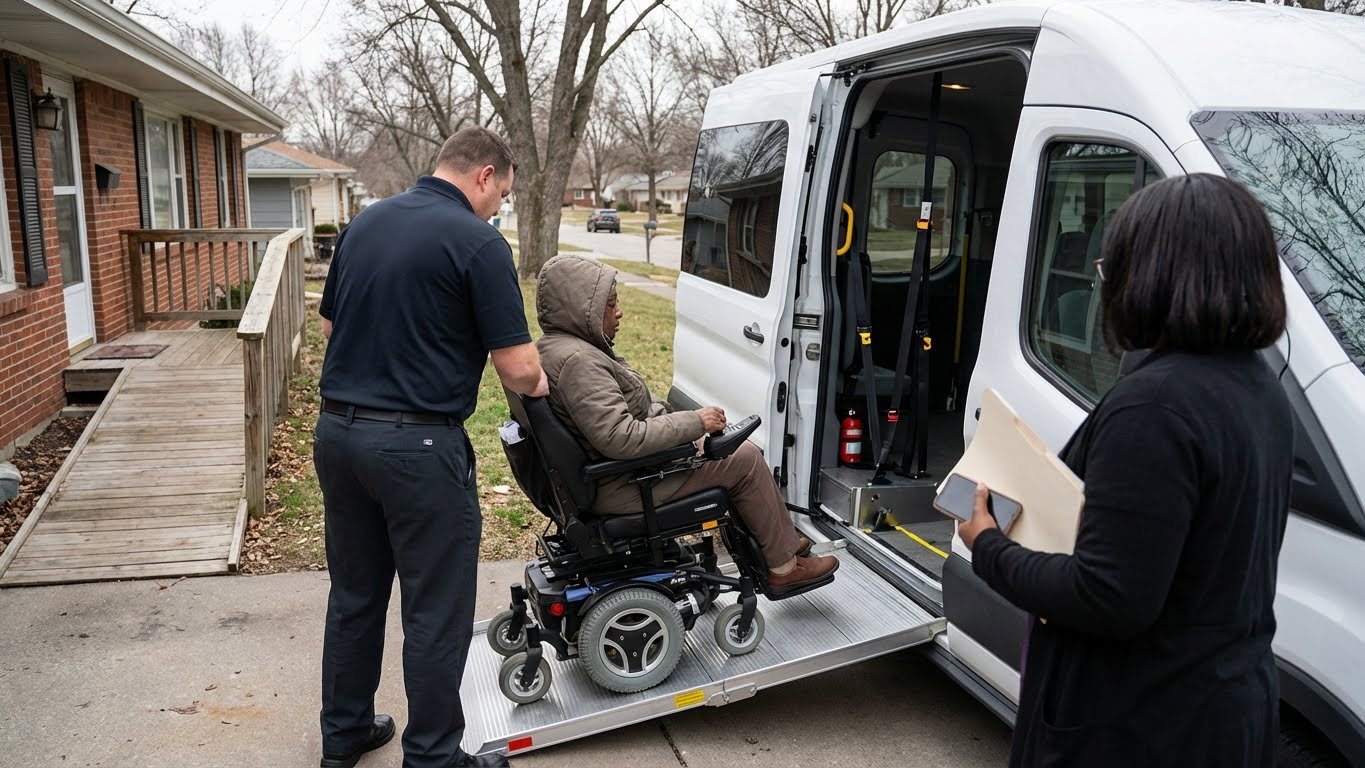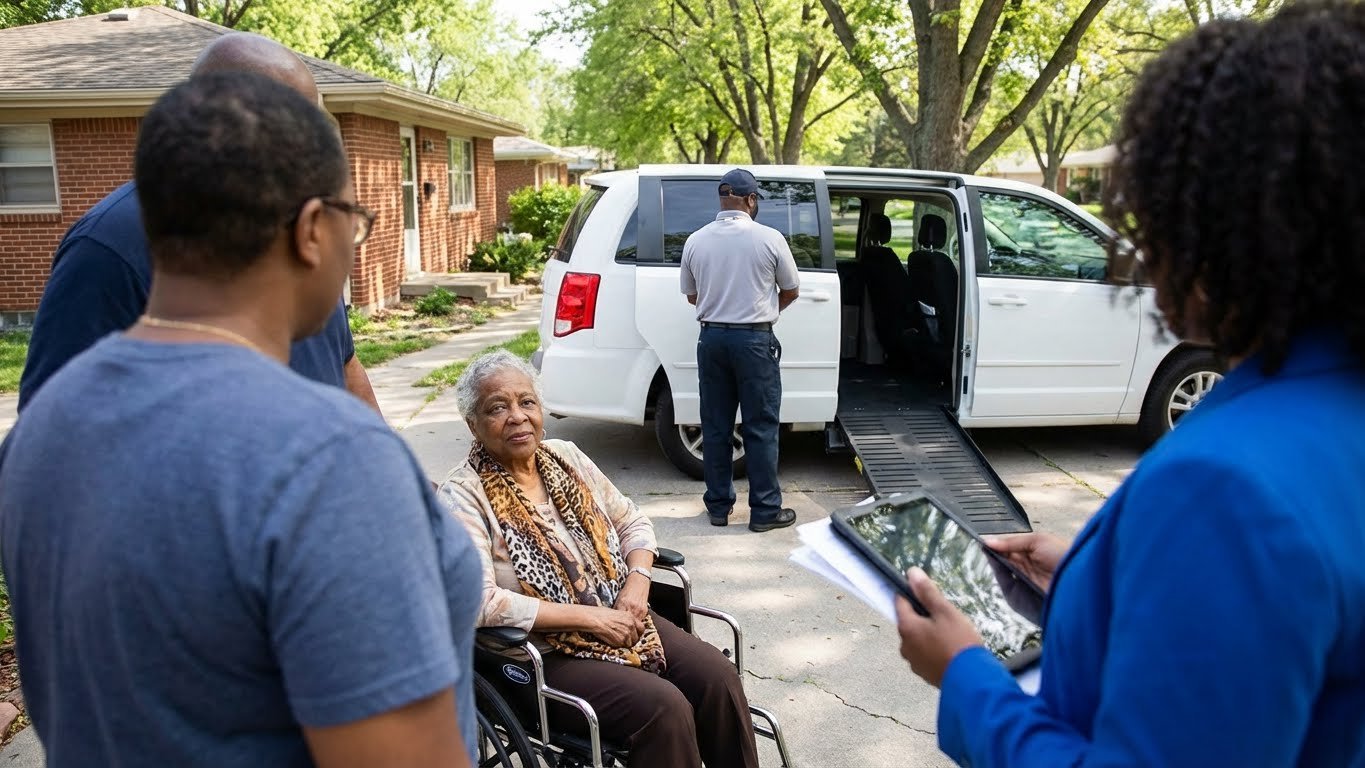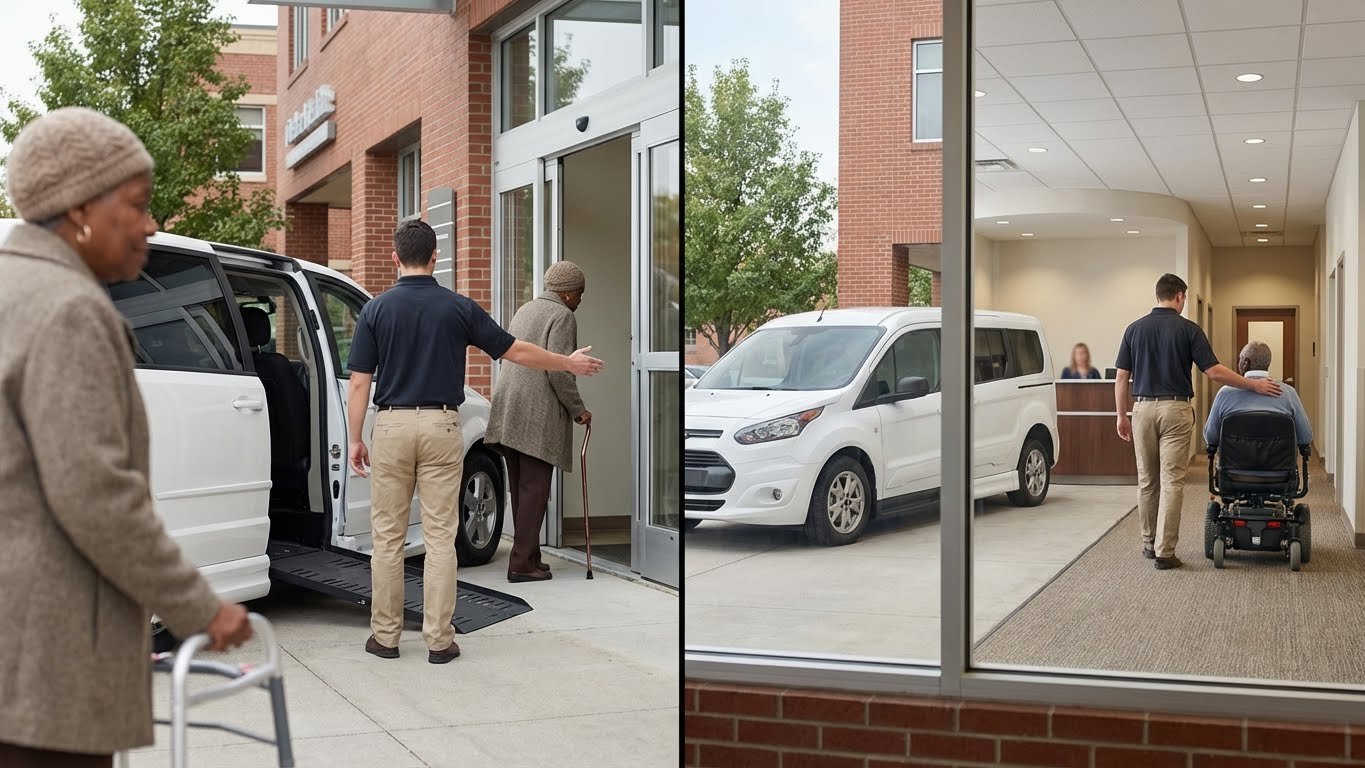
Caregivers carry immense responsibility—often balancing work, family, and healthcare coordination. When transportation is unreliable or impersonal, caregiver stress increases.
Compassionate medical transportation supports not only patients, but the families who care for them.
The Hidden Stress Caregivers Face
Caregivers often worry about:
- Whether loved ones are treated respectfully
- If assistance is provided when needed
- Transportation safety during vulnerable moments
- Emotional well-being during appointments
These concerns can be overwhelming when caregivers cannot attend appointments themselves.
How Compassionate Transportation Provides Peace of Mind
Compassionate transportation reassures families by ensuring:
- Patient-centered assistance
- Respectful treatment of loved ones
- Reliable, predictable service
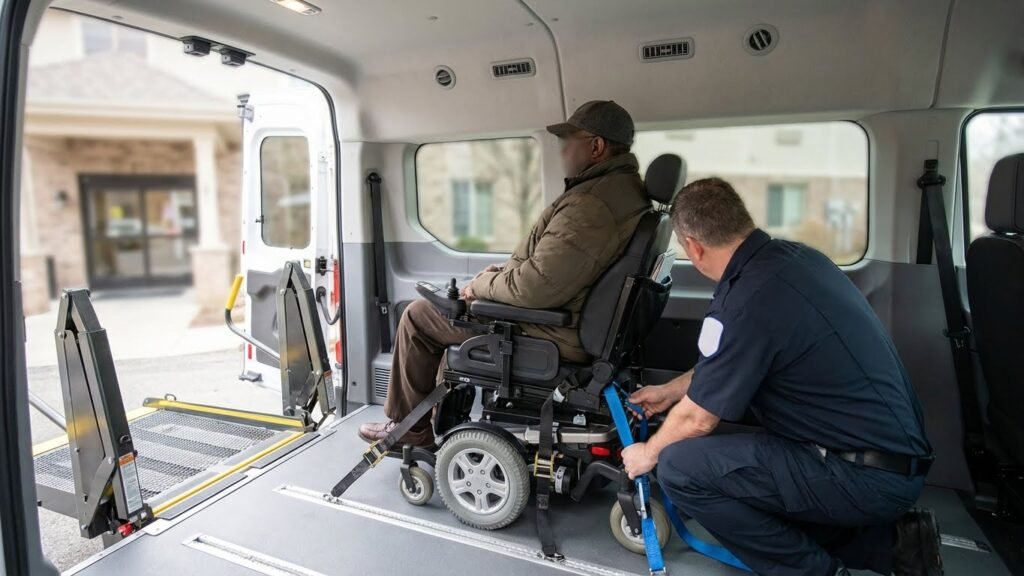
- Emotional and physical safety
Knowing a loved one is in caring hands reduces caregiver anxiety.
Supporting Long-Term Care Relationships
Reliable, compassionate transportation:
- Reduces caregiver burnout
- Improves consistency in medical care
- Strengthens trust between families and providers
Transportation becomes a partnership—not another burden.
Final Thoughts
Caregivers should not have to worry about how their loved ones are treated during medical travel. Compassionate transportation provides confidence, relief, and trust—supporting the entire care network.