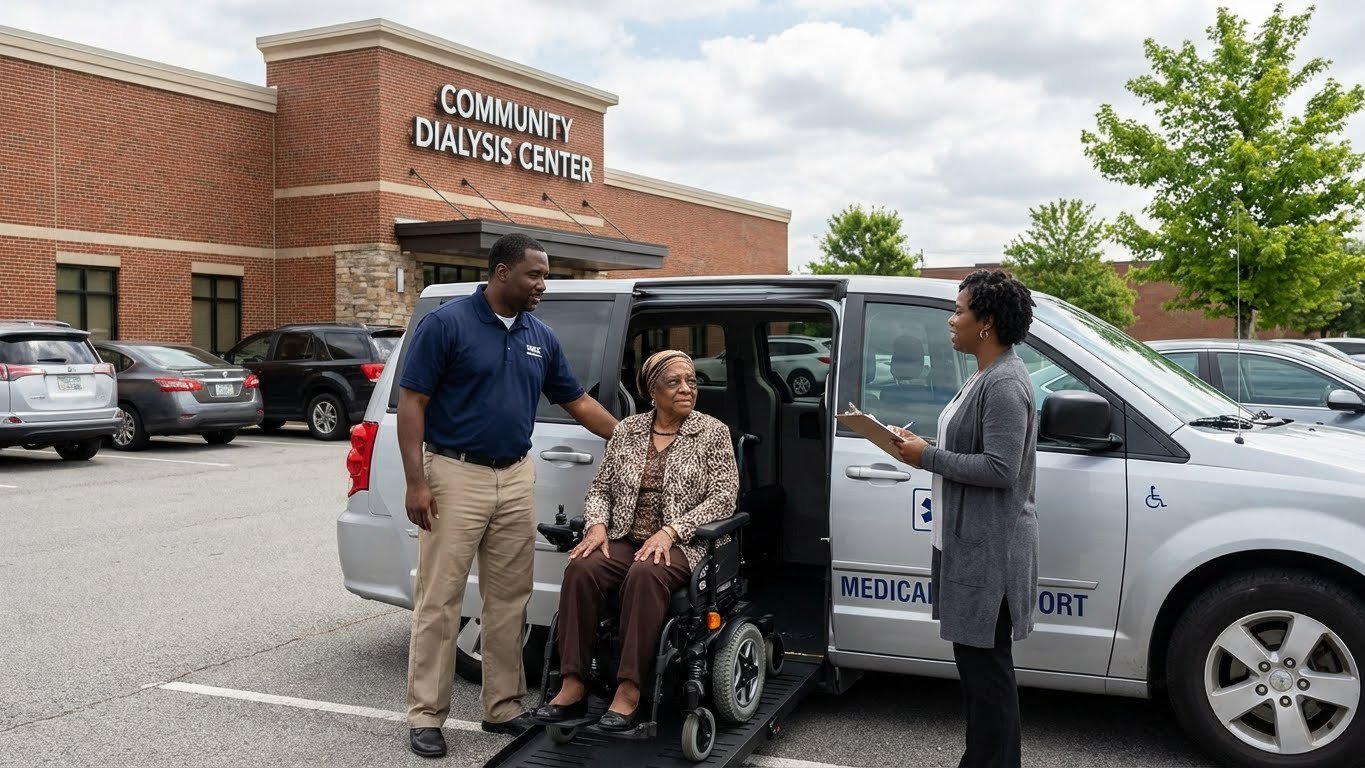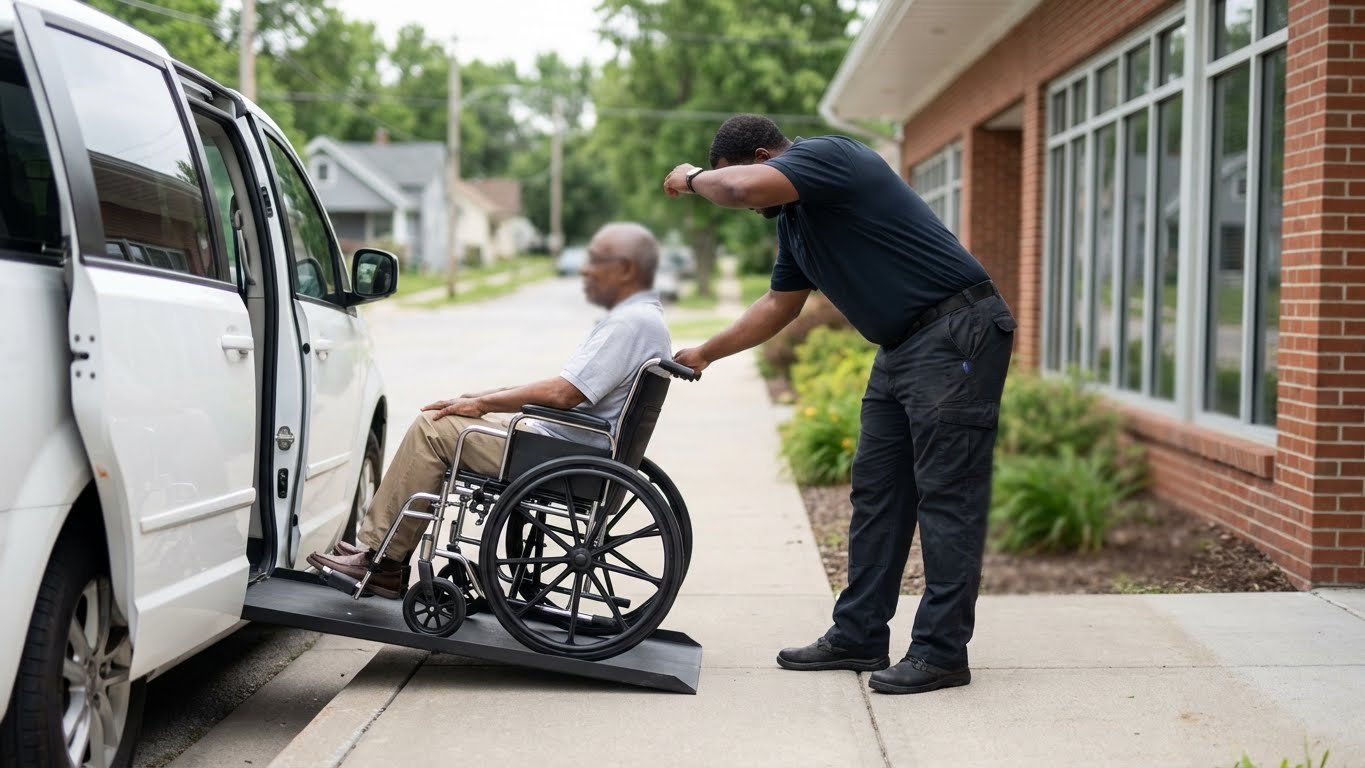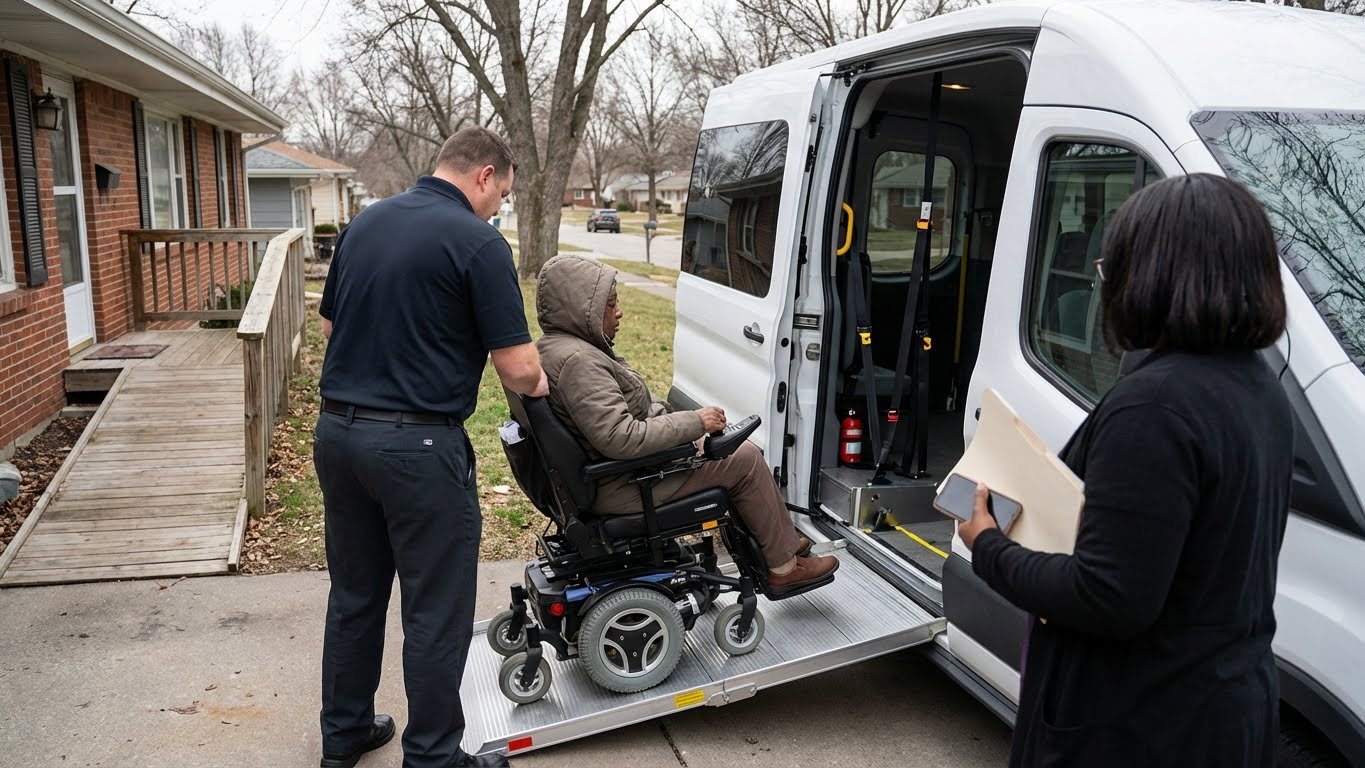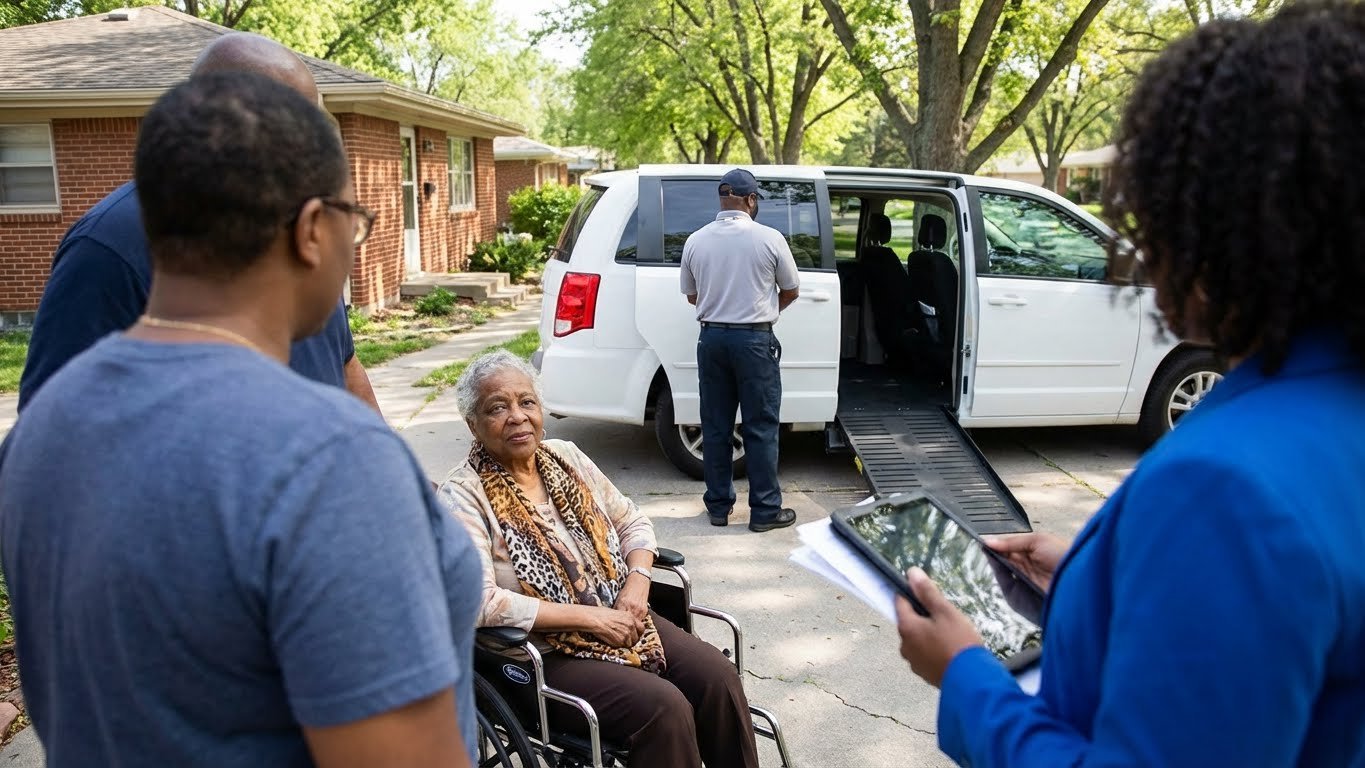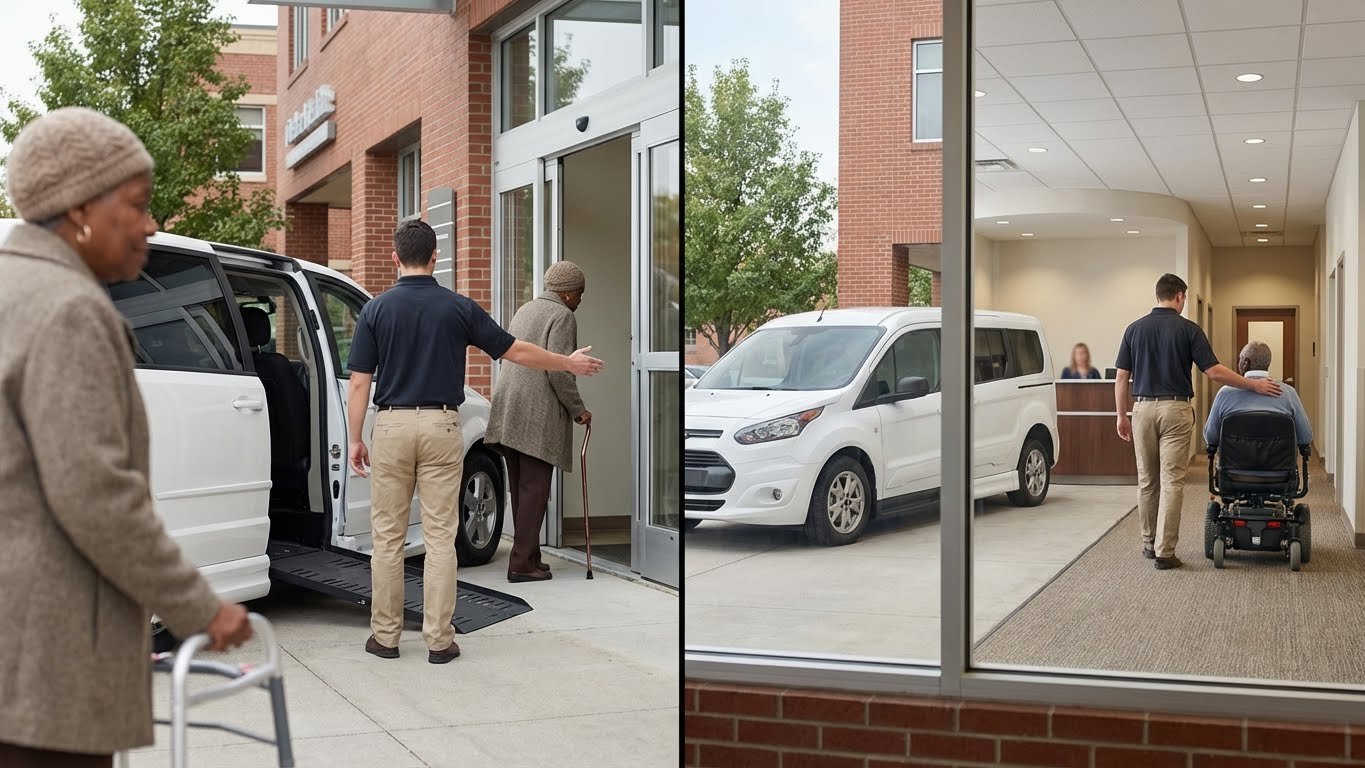
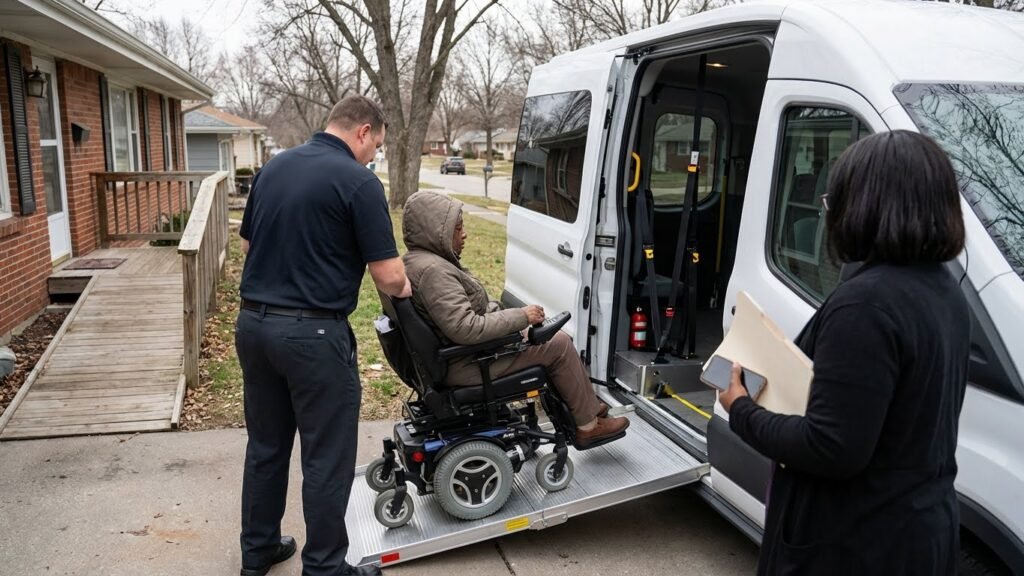
For seniors and home care clients, transportation safety is not just about the vehicle—it’s about the entire journey. Entering and exiting vehicles, walking through parking lots, and navigating medical facilities all present potential risks.
Professional senior transportation reduces these risks through supportive, patient-focused care.
Common Transportation Risks for Seniors
Seniors may face:
- Increased fall risk
- Fatigue after medical appointments
- Difficulty with uneven surfaces or steps
- Dizziness or weakness from treatments
Standard transportation options often fail to account for these realities.
How Supportive Transportation Improves Safety
Senior-focused transportation emphasizes:
- Assistance entering and exiting vehicles
- Extra time for safe movement
- Calm, clear communication
- Awareness of fatigue after appointments
This approach reduces accidents and improves confidence.
Why Fatigue Matters After Appointments
Medical visits—especially therapy, dialysis, or procedures—can leave seniors exhausted. Rushed transportation increases risk during these vulnerable moments.
Supportive care ensures seniors are never hurried when safety matters most.
Final Thoughts
Safe transportation protects more than physical health—it preserves confidence and peace of mind. For seniors, supportive transportation can prevent injuries and make healthcare access safer and more sustainable.