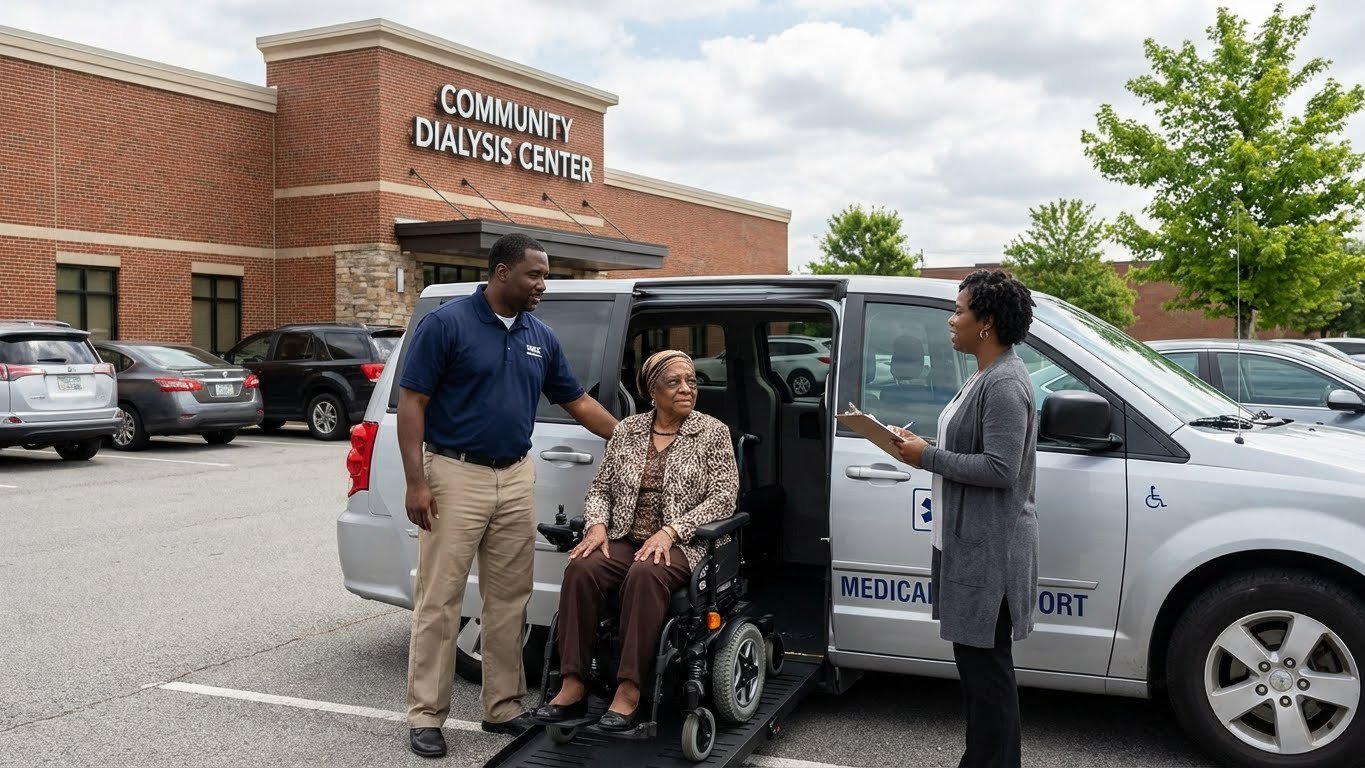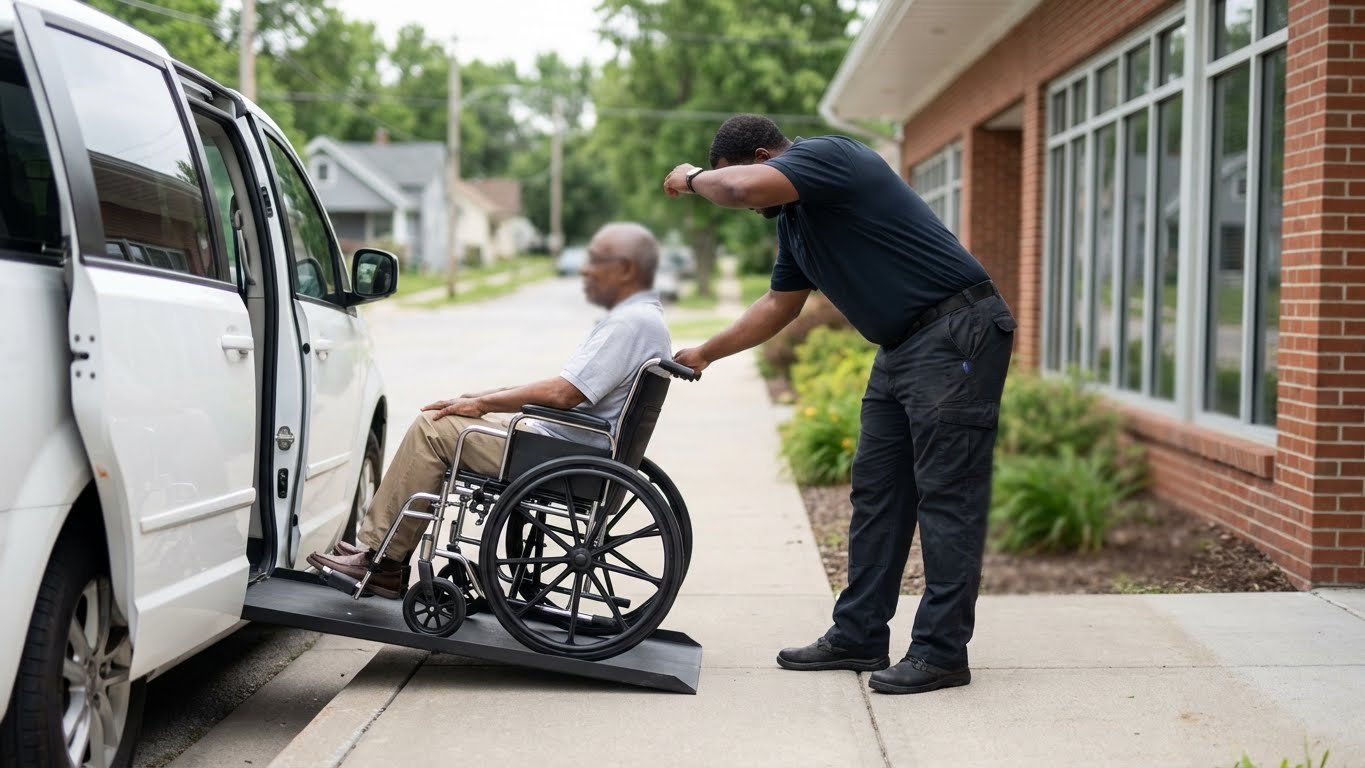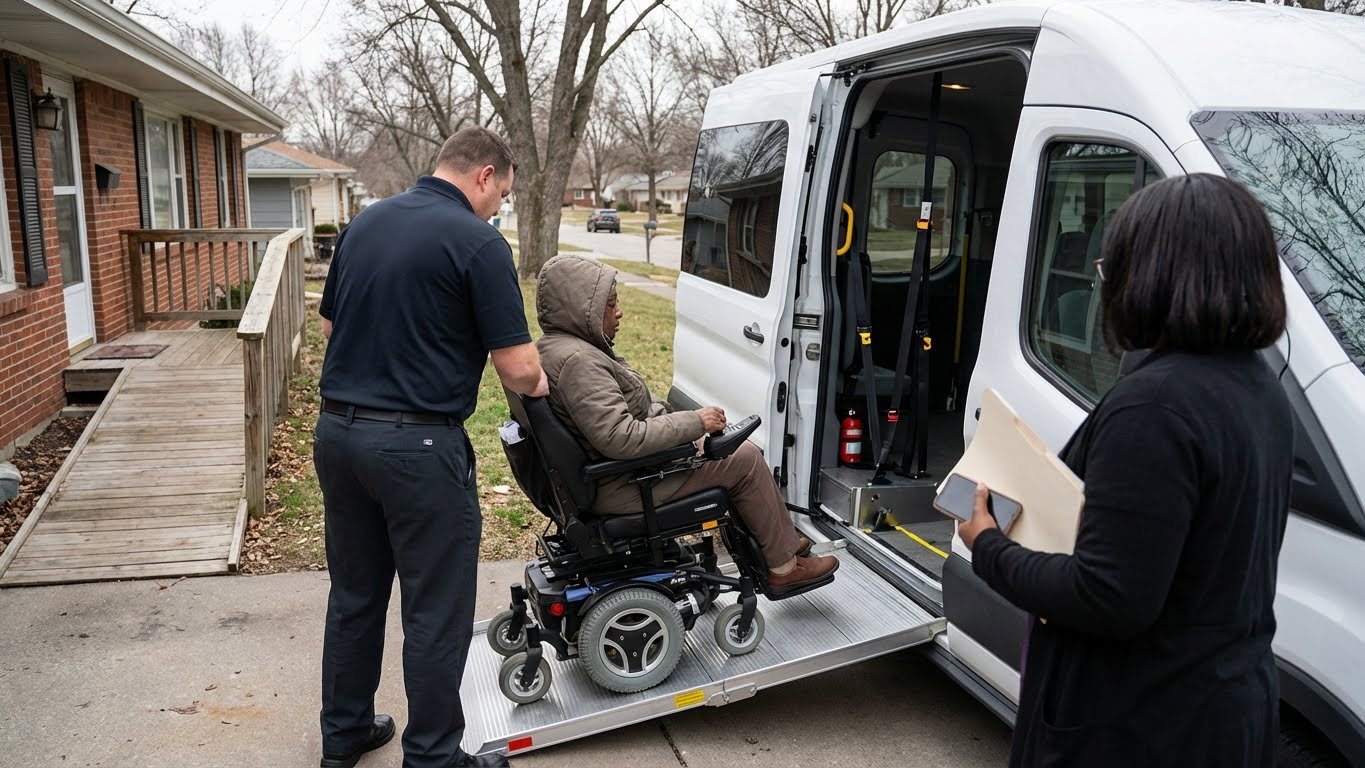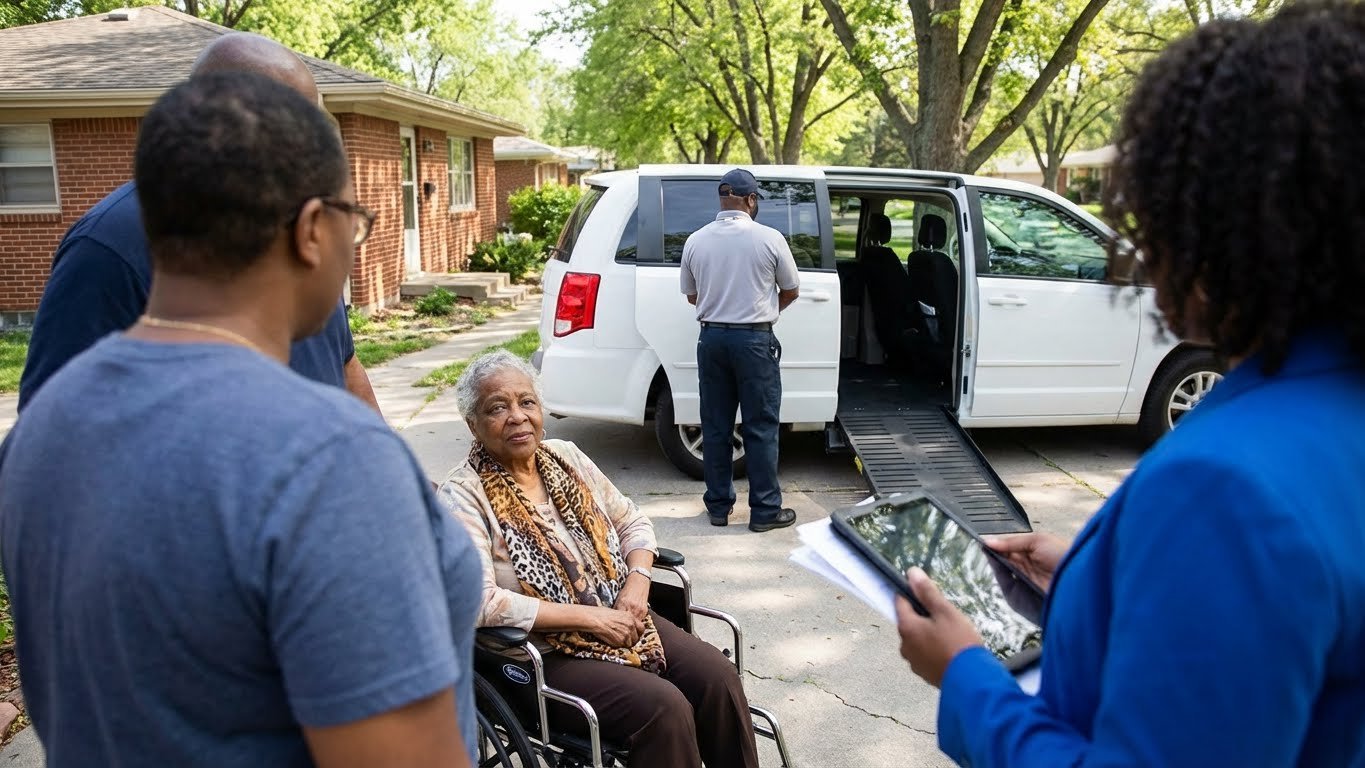
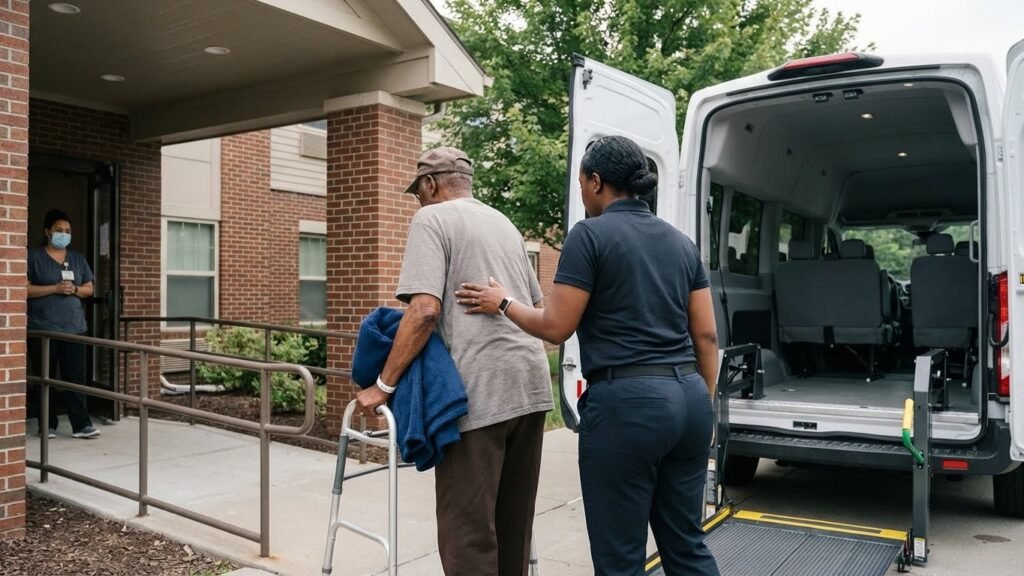
Medical transportation often focuses on physical safety—but emotional safety is just as important. Patients dealing with illness, pain, or uncertainty may feel vulnerable during medical travel.
Compassionate transportation acknowledges and supports these emotional needs.
Emotional Stress During Medical Appointments
Patients may experience:
- Fear of diagnoses or procedures
- Exhaustion from ongoing treatments
- Frustration with loss of independence
- Anxiety about navigating appointments alone
Transportation providers are often the first and last point of contact in the care journey.
How Compassionate Drivers Make a Difference
Emotional support during transportation includes:
- Patient, attentive listening
- Calm, reassuring presence
- Respectful communication
- Sensitivity to fatigue or distress
These small actions can significantly ease emotional strain.
Why Emotional Comfort Supports Better Care
When patients feel emotionally supported, they:
- Arrive calmer and more focused
- Communicate better with healthcare providers
- Are more likely to return for follow-up care
Emotional comfort is not optional—it is part of effective healthcare access.
Final Thoughts
Medical transportation is more than logistics. Compassionate emotional support helps patients feel seen, respected, and cared for—before they ever step into a clinic.