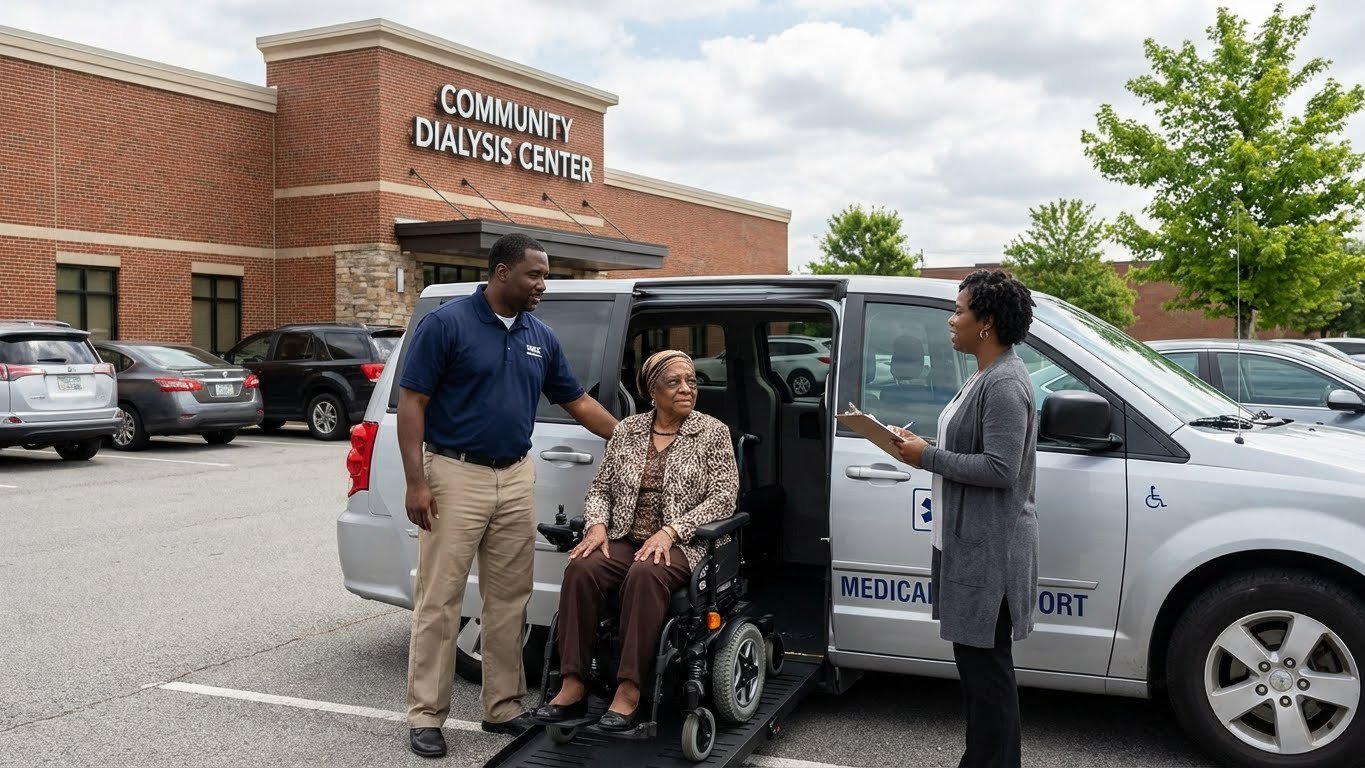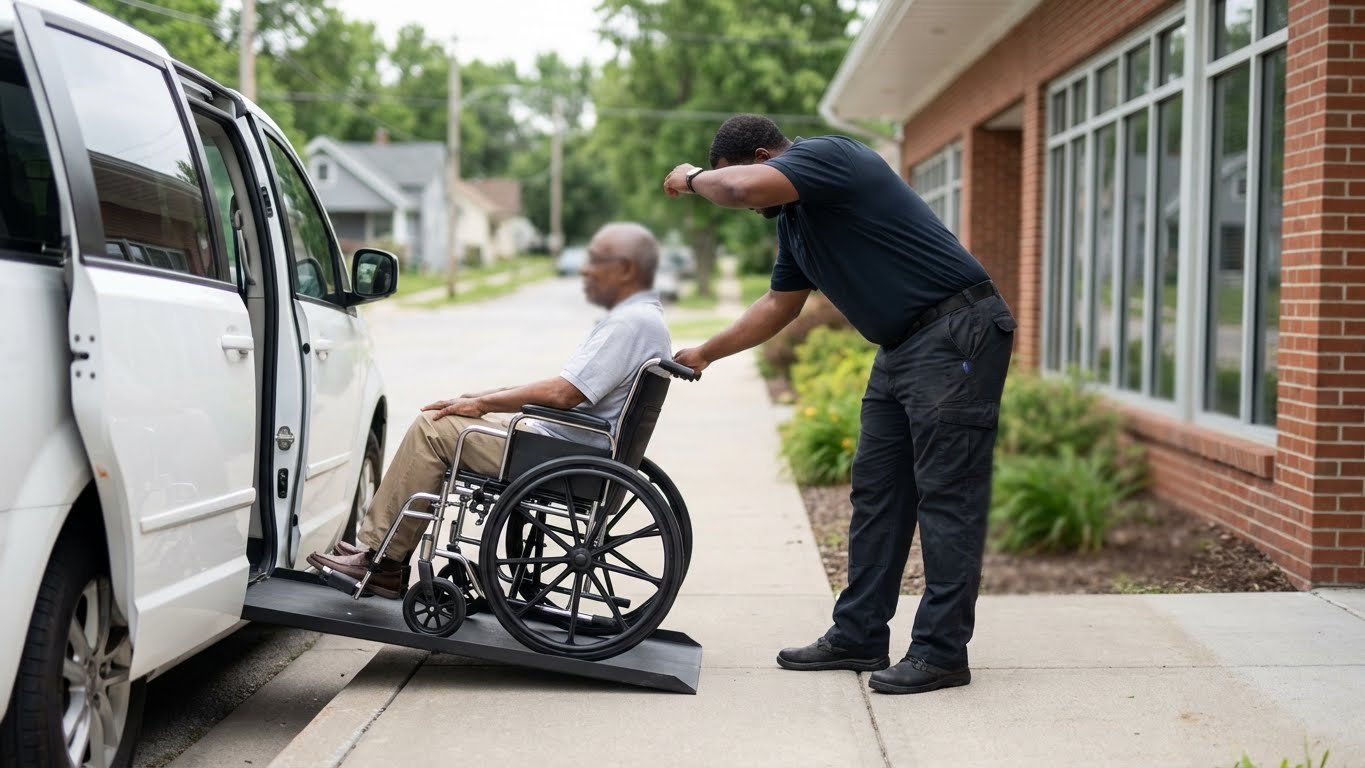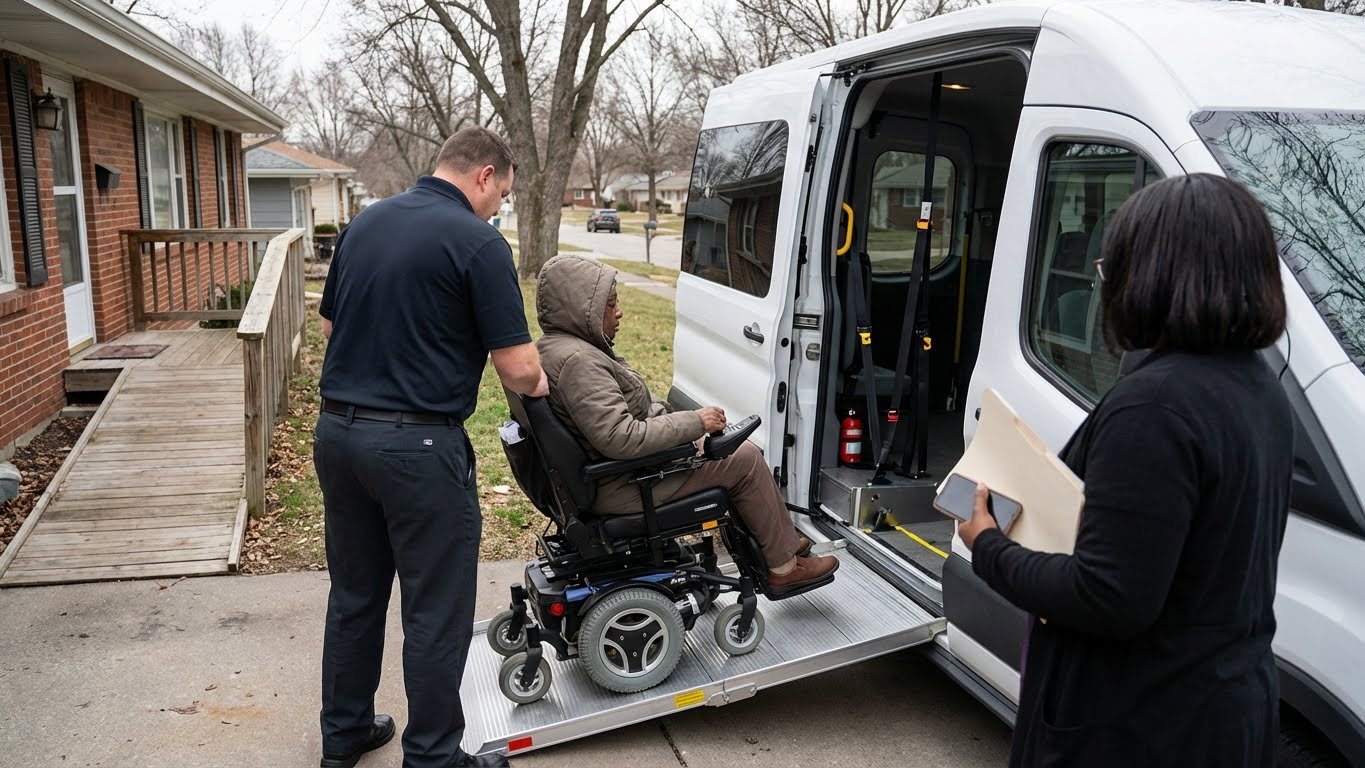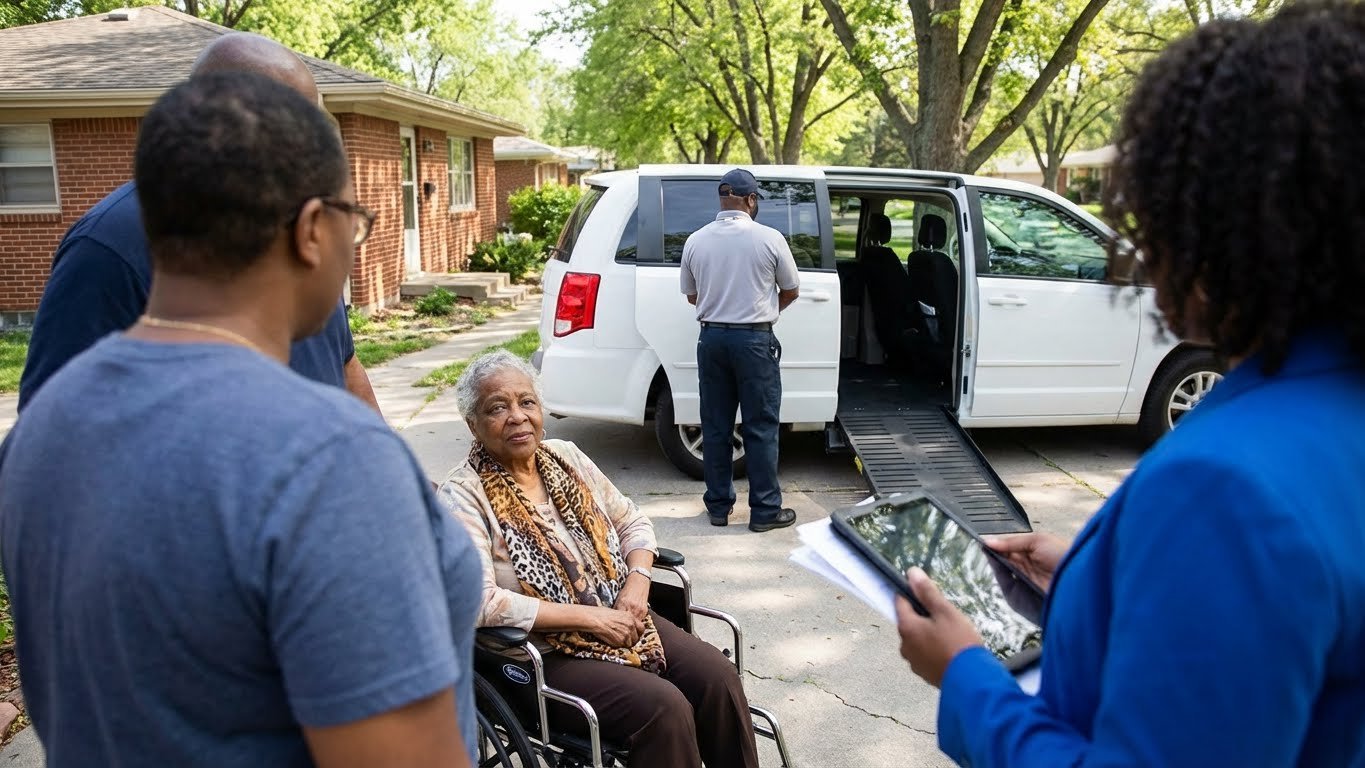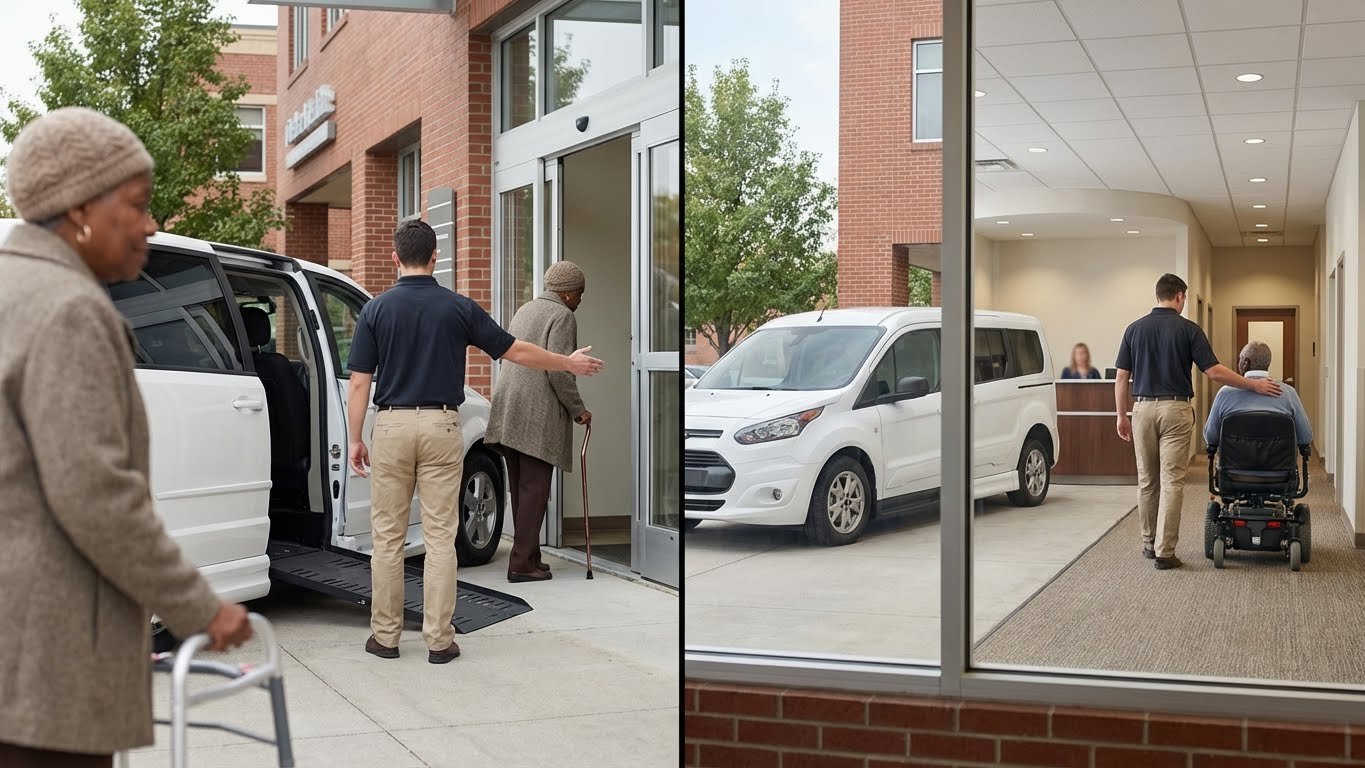
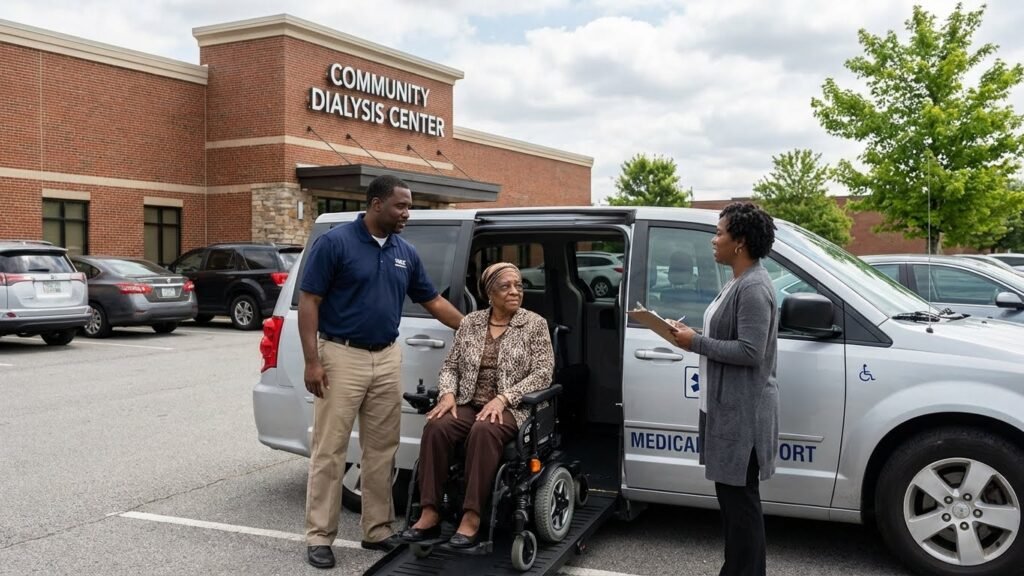
Transportation affects more than physical health—it shapes emotional well-being and quality of life. Seniors who feel anxious, rushed, or unsafe traveling to appointments may begin avoiding care altogether.
Compassionate senior transportation makes a meaningful difference.
The Emotional Challenges Seniors Face
Seniors may experience:
- Anxiety about leaving home
- Fear of falling or getting lost
- Embarrassment about needing help
- Frustration over loss of independence
Transportation that lacks patience can worsen these feelings.
How Compassionate Transportation Helps
Supportive transportation improves quality of life by:
- Creating a calm, reassuring experience
- Preserving dignity during assistance
- Allowing seniors to move at their own pace
- Encouraging continued engagement in healthcare
Staying Connected Through Reliable Transportation
When seniors feel confident traveling, they are more likely to:
- Attend appointments consistently
- Maintain routines
- Stay socially and emotionally engaged
Transportation becomes a bridge—not a barrier—to healthy aging.
Final Thoughts
Compassionate transportation supports not just where seniors go, but how they feel along the way. By prioritizing dignity, patience, and emotional comfort, senior transportation improves quality of life at home.