
Dialysis is a life-sustaining treatment. Unlike routine medical appointments, dialysis cannot be postponed without consequences. Yet transportation challenges remain one of the most common reasons patients miss or shorten dialysis sessions.
Understanding why missed dialysis appointments are dangerous—and how reliable transportation helps prevent them—can protect patient health and reduce emergency hospitalizations.
Why Dialysis Must Follow a Strict Schedule
Dialysis removes excess fluid and toxins from the body when the kidneys can no longer do so effectively. Most patients require treatment two to three times per week, on a consistent schedule.
Skipping or delaying dialysis can cause:
- Fluid buildup in the lungs
- Dangerous electrolyte imbalances
- Increased blood pressure
- Severe fatigue and weakness
- Emergency hospital visits
Even one missed session can significantly impact a patient’s health.
Transportation Is a Leading Cause of Missed Dialysis
Many dialysis patients face challenges that make driving unsafe, including:
- Post-treatment dizziness or weakness
- Vision or balance issues
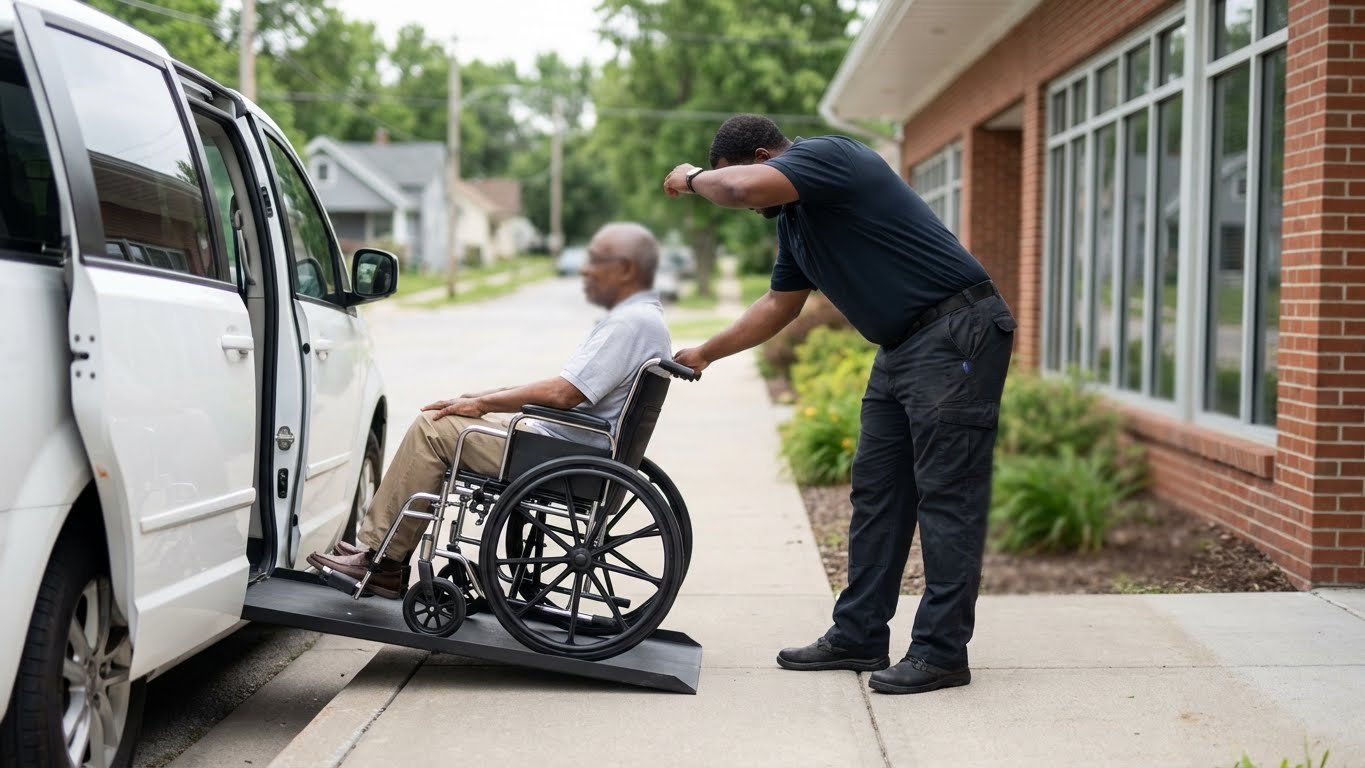
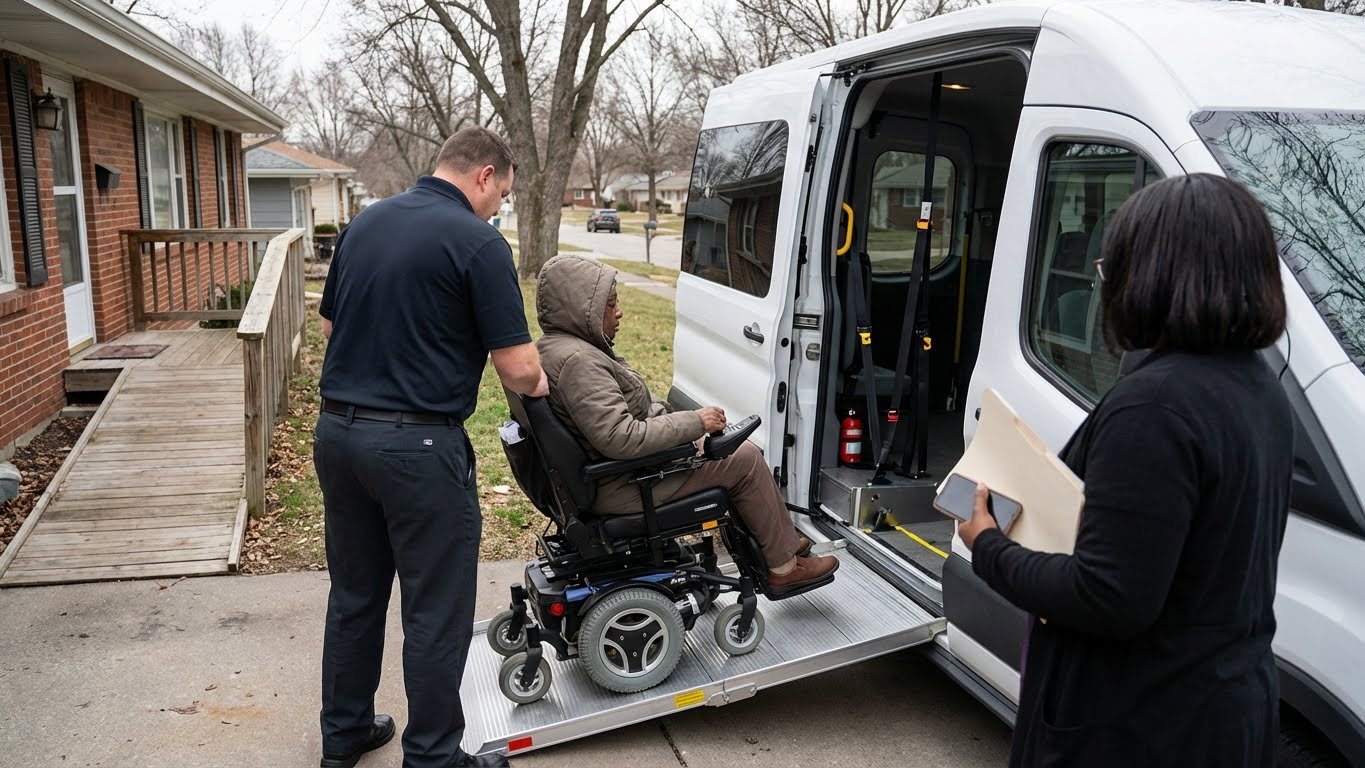
- Dependence on wheelchairs or walkers
- Chronic fatigue
Relying on family availability, rideshare services, or public transportation often leads to:
- Late arrivals
- Missed sessions
- Increased stress before treatment
This is why non-emergency medical transportation (NEMT) plays a critical role in dialysis care.
How Reliable Dialysis Transportation Prevents Health Risks
Professional dialysis transportation helps patients:
- Arrive on time for every treatment
- Travel safely despite fatigue
- Avoid physical strain after sessions
- Maintain consistency week after week
Reliable transportation reduces missed treatments, supports better long-term outcomes, and lowers the risk of hospitalization.
Supportive Transportation Matters After Dialysis
Dialysis is physically demanding. After treatment, patients may feel:
- Weak
- Lightheaded
- Emotionally drained
Supportive transportation provides:
- Extra time during boarding
- Assistance entering and exiting vehicles
- Calm, patient-paced service
This level of care protects patient dignity and safety during vulnerable moments.
Final Thoughts
Missing dialysis appointments is not just inconvenient—it is dangerous. Reliable, supportive transportation ensures patients receive life-sustaining care consistently and safely.
When transportation works, treatment works.