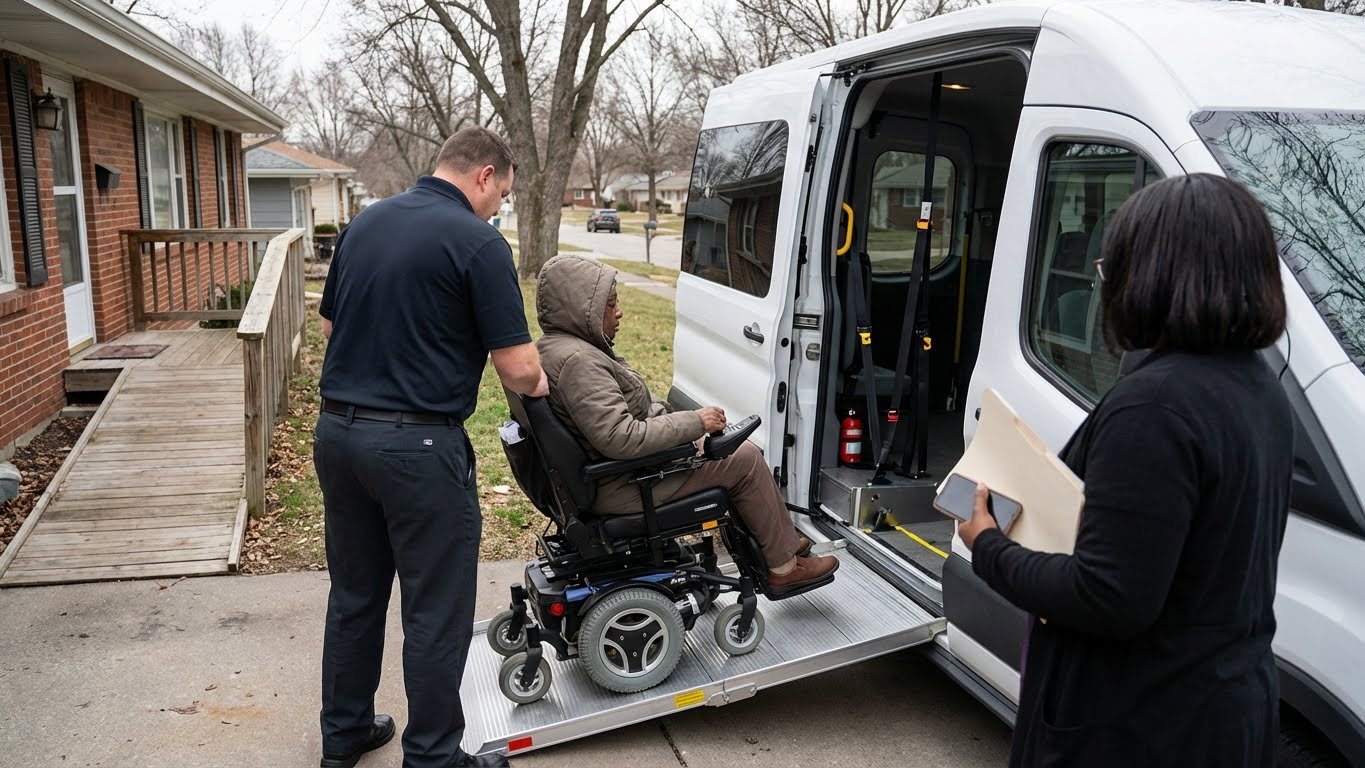

In today’s healthcare landscape, consistent access to reliable transportation is not just a convenience—it’s a necessity. For individuals with chronic illnesses, disabilities, or frequent medical appointments, transportation is a critical component of their overall care plan. Unfortunately, the cost of repeated rides to hospitals, clinics, dialysis centers, physical therapy sessions, and other healthcare facilities can add up quickly. Traditional options—such as taxis, rideshares, or pay-per-ride medical transport services—often come with unpredictable pricing and hidden fees.
That’s where subscription-based medical transport services step in as a practical and cost-saving solution.
The Rising Cost of Traditional Medical Transportation
Paying per ride may seem manageable at first, but for patients who need transportation several times a week, costs escalate rapidly. Last-minute bookings can lead to surcharges, while inconsistent pricing makes it difficult to budget. Families and caregivers often struggle to predict monthly transportation expenses, leaving room for financial stress.
How Subscription-Based Medical Transport Works
A subscription plan allows patients, families, or even healthcare providers to pay a flat monthly or annual fee for transportation services. This model eliminates the unpredictability of per-ride costs, providing transparency and peace of mind. With set pricing, users know exactly what they will pay each month—no hidden charges, no surprises.
Financial Benefits of Subscription Plans
Reduced Per-Ride Costs
Subscription packages typically bring down the average cost per ride compared to traditional options. Frequent travelers benefit the most, as they can spread their costs across multiple appointments.
No Last-Minute Booking Fees
With a subscription, patients avoid extra charges that come with urgent or same-day bookings. This is particularly valuable for individuals with sudden medical needs.
Long-Term Savings and Predictability
Instead of unpredictable bills, families and patients enjoy the stability of fixed pricing. Over time, this predictability translates into significant financial savings.
Beyond Cost Savings: Quality of Care and Convenience
Subscription models often deliver more than just affordability. Many providers offer:
-
Trained, professional drivers who can assist patients with mobility needs.
-
Priority scheduling that reduces wait times.
-
Personalized care tailored to the patient’s health conditions.
This added value improves not only the financial side but also the overall patient experience.
Reducing Missed Appointments and Improving Health Outcomes
Missed medical appointments are a widespread issue, costing healthcare systems millions of dollars every year. Reliable subscription-based transportation helps patients arrive on time, reduces treatment interruptions, and supports better long-term health outcomes.
Who Benefits Most from Subscription Medical Transport?
Families with Aging Parents
Seniors often need frequent checkups or ongoing treatments. Subscriptions ease the financial and emotional burden of arranging multiple rides.
Patients Undergoing Long-Term Treatments
Chemotherapy, dialysis, and physical therapy patients benefit from consistent, affordable transport solutions.
Healthcare Facilities Coordinating Transport
Hospitals, clinics, and care centers can ensure patient attendance, reduce cancellations, and streamline scheduling by offering or partnering with subscription transport providers.
Conclusion: A Smarter Choice for Patients and Providers
Subscription-based medical transport isn’t just a way to save money—it’s a smarter, more reliable, and patient-centered approach to healthcare transportation. By locking in predictable costs, improving care quality, and reducing missed appointments, this model offers lasting benefits for patients, caregivers, and healthcare providers alike.
Whether you’re managing your own medical needs, caring for a loved one, or coordinating transport for multiple patients, a subscription plan could be the key to lowering expenses while improving healthcare outcomes.